Topic

Economy

Prices, shocks and who pays. 3 stories, 30 questions answered.

Photo: Ravi Dwivedi / Wikimedia Commons, CC BY-SA 4.0

Stories

Each answers a set of questions, start to finish
New · 27 Nov 2026Developing

The Price of Everything

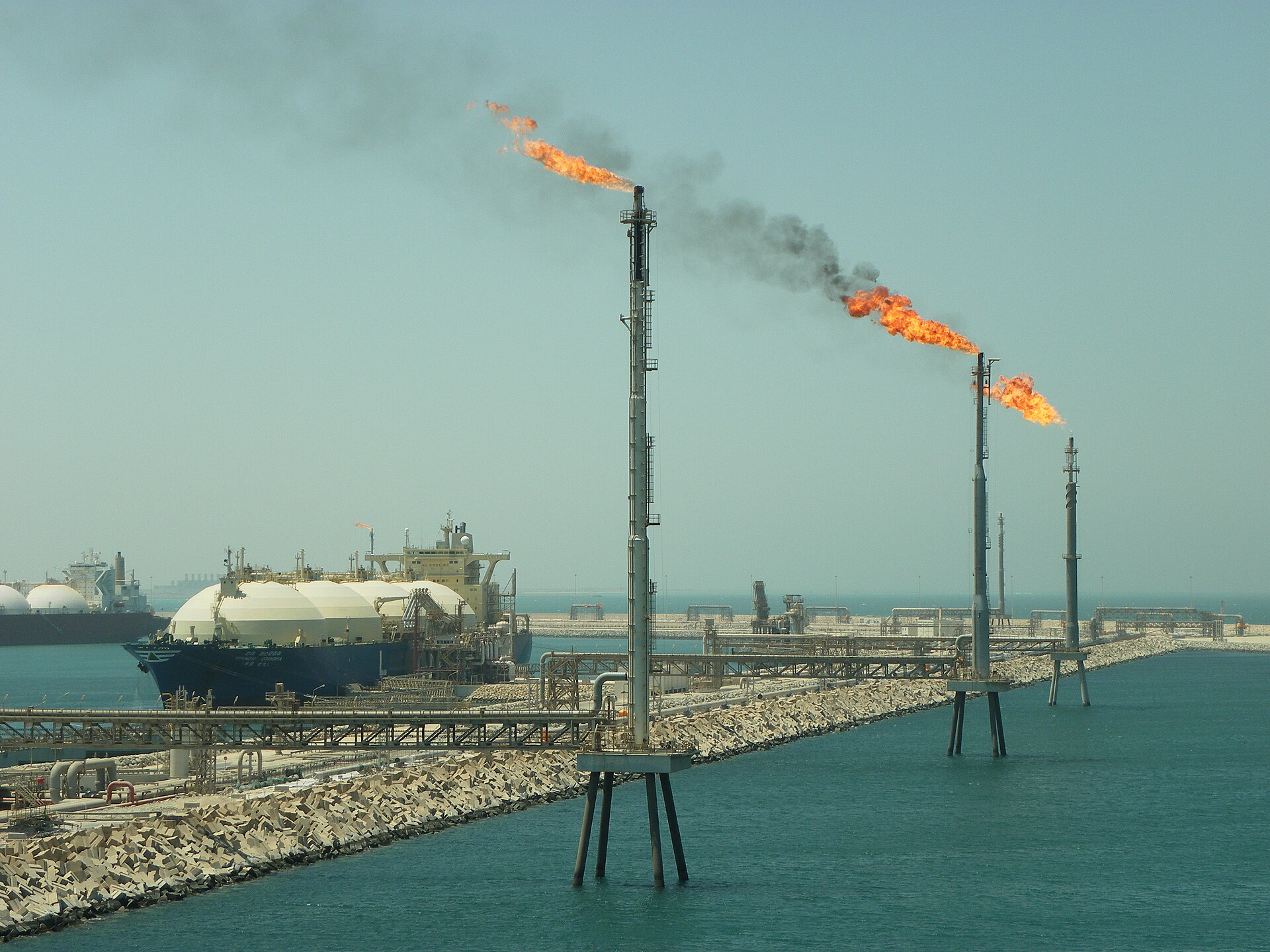
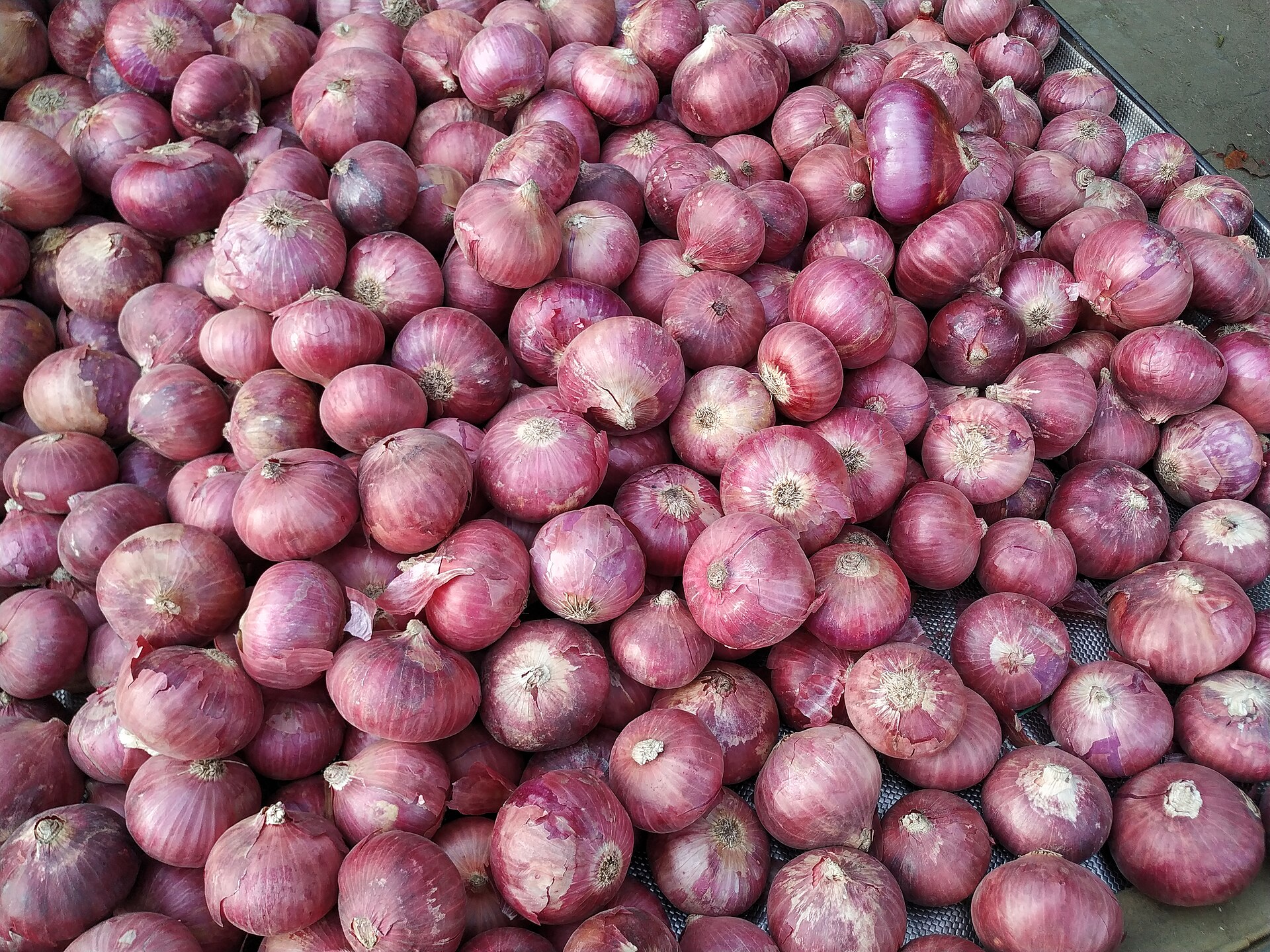
A year ago Indian prices were barely moving. By October 2026 retail inflation had broken through the RBI's 6% ceiling, onions cost more than twice as much, and the central bank had started raising rates. A war that choked the Gulf's oil route and a monsoon that failed where it mattered did it, and the cushions that hid them are wearing thin.

18 min read10 questions answered61 sources
The 10 questions it answers
  1. A year ago prices were barely rising. Why is almost everything getting costlier now?
  2. How does a war in the Gulf end up in the price of my vegetables, my bus fare and my clothes?
  3. How badly did the monsoon fail, and how long will food stay expensive?
  4. Who has been paying to hold prices down, and what happens when they stop?
  5. Wholesale prices are rising twice as fast as shop prices. Is more pain still on its way?
  6. Will the RBI keep raising rates, and what does that do to my home-loan EMI?
  7. Is my fixed deposit quietly losing money?
  8. Why did the rupee slide, why has it bounced, and what does it mean for markets?
  9. Is this as bad as the price shocks of 1980 or 2009?
  10. What would make prices ease, and which dates should I watch?
New · 27 Nov 2026Developing

Robots Don't Buy Cars

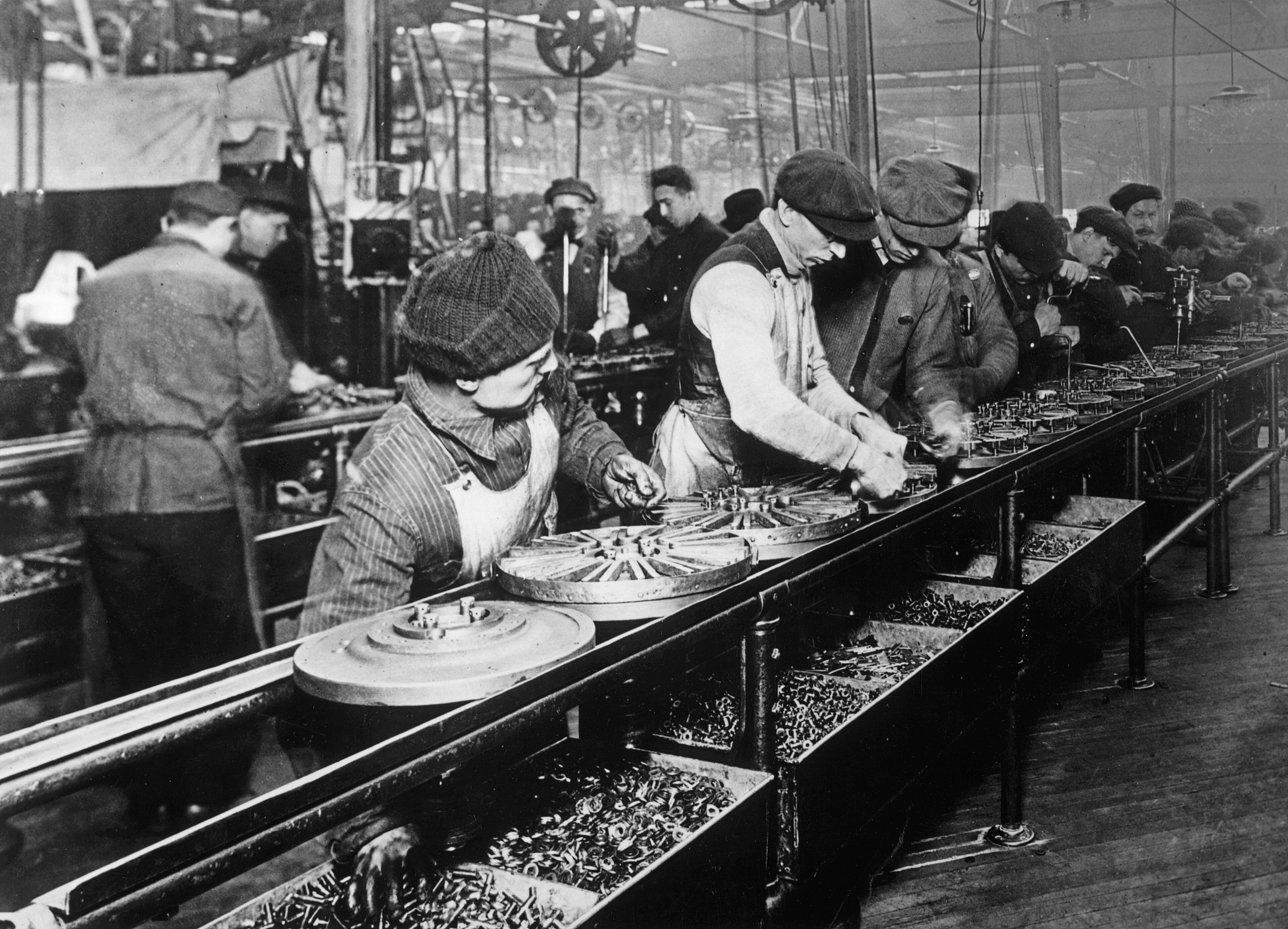
In November 2026 America's statisticians reported output per hour surging and workers' share of it at the lowest level since 1947. Each firm that swaps a salary for software saves money. If thousands do it at once, they may be laying off their own customers.

21 min read10 questions answered58 sources
The 10 questions it answers
  1. Why is a wage also a customer, and where exactly could AI cut that loop?
  2. Could one firm's sensible cost-cutting really snowball into an economy-wide slump?
  3. Is it already happening? What do the latest jobs, hiring and pay figures show at the end of 2026?
  4. Hasn't this fear always been wrong? What did past revolutions do to workers, and what closed the gap?
  5. Who is sounding the alarm, who is reassuring, and what does each side want?
  6. Could cheaper everything work like a pay rise, and why has AI pushed some prices up instead?
  7. Where would new jobs come from, and would they pay enough to keep people spending?
  8. Could the public own a slice of the machines, has anyone actually proposed how, and could it be paid for?
  9. Would a shorter working week protect pay and spending, or just cut both?
  10. What decides which future we get, and what should I watch next?
New · 27 Nov 2026Developing

Who Bent, Who Broke

Nine months after war choked the Strait of Hormuz, the world economy is still growing. The bill landed on a narrow set of countries, and some of the hardest hit are the ones sitting on the most oil.

24 min read10 questions answered88 sources
The 10 questions it answers
  1. How did the world absorb one of the biggest oil supply shocks on record without a global recession?
  2. Is the Strait of Hormuz actually closed, and what has changed since the summer?
  3. Why are the countries sitting on the most oil losing the most output?
  4. How did energy-poor Taiwan and South Korea, and the United States, come out ahead, and how fragile is that?
  5. Why did Egypt, Pakistan and Sri Lanka break, and are they recovering?
  6. Why are rich Europe and Japan losing ground, and does being rich protect you at all?
  7. How did India, a big oil importer, hold up, and what is it costing now?
  8. What actually separated resilient from broken economies, and which of it can a government choose?
  9. How much of this is forecast rather than fact, and where do the numbers disagree?
  10. What could reshuffle the list from here, and which dates matter?