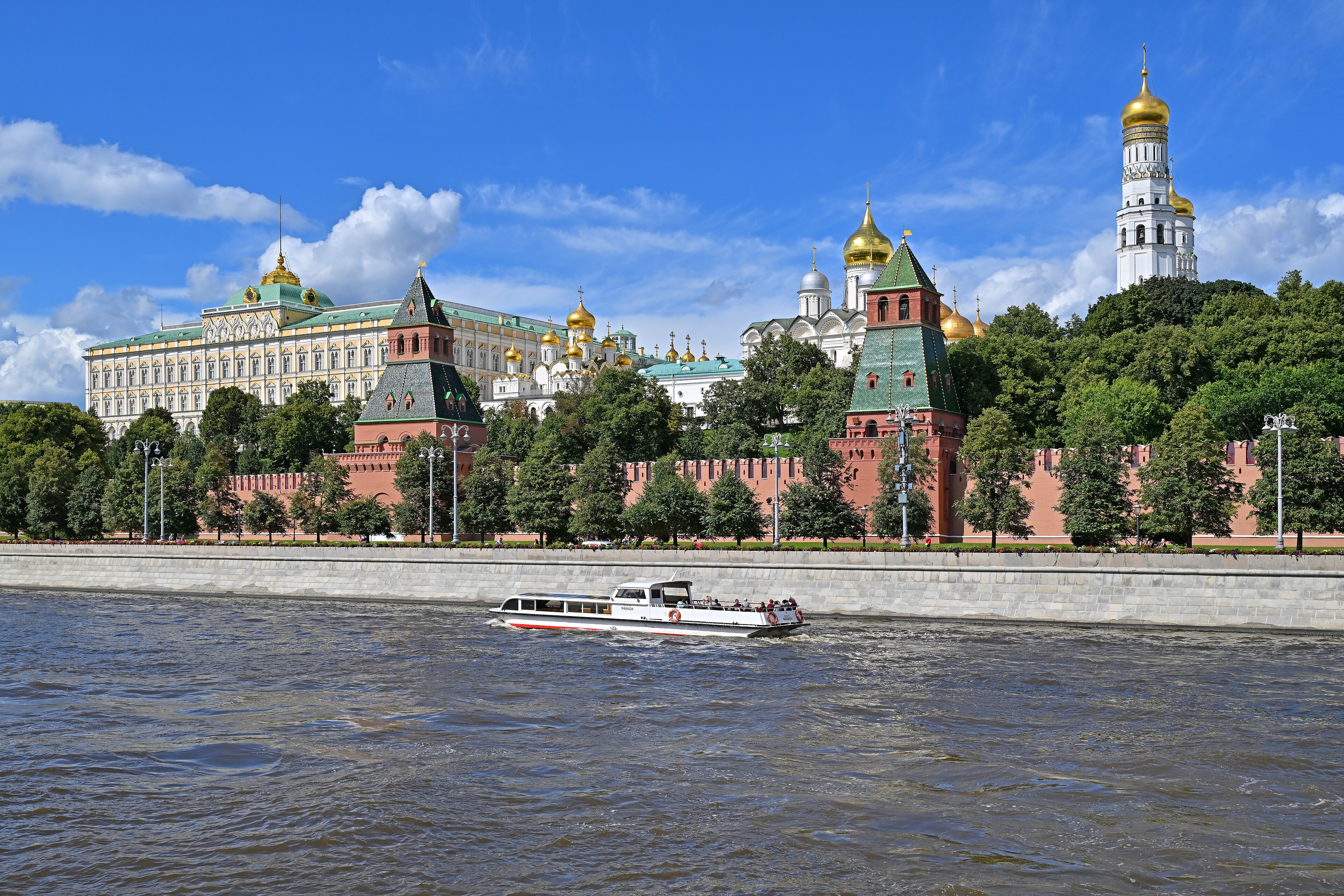
Russia from Kyivan Rus' to the war in Ukraine, as of late November 2026
On 19 November 2026 Putin sat beside Trump and Xi in Shenzhen. The same week his army was losing ground, his refineries were burning and his budget was cutting hospitals to pay for tanks. How a collapsed superpower became this state, and where it is heading.
This story is still unfolding. It is written from what was public up to 27 November 2026. As events move we publish a new version and mark what changed.
Add ISW's November territorial count
Add whether the large prisoner exchange agreed in Abu Dhabi has happened, and its size
Add whether Putin attends the G20 in Miami
Add the Bank of Russia's 18 December rate decision
This chapter settles what happened in the week this story was updated, and what kind of country sits behind it.
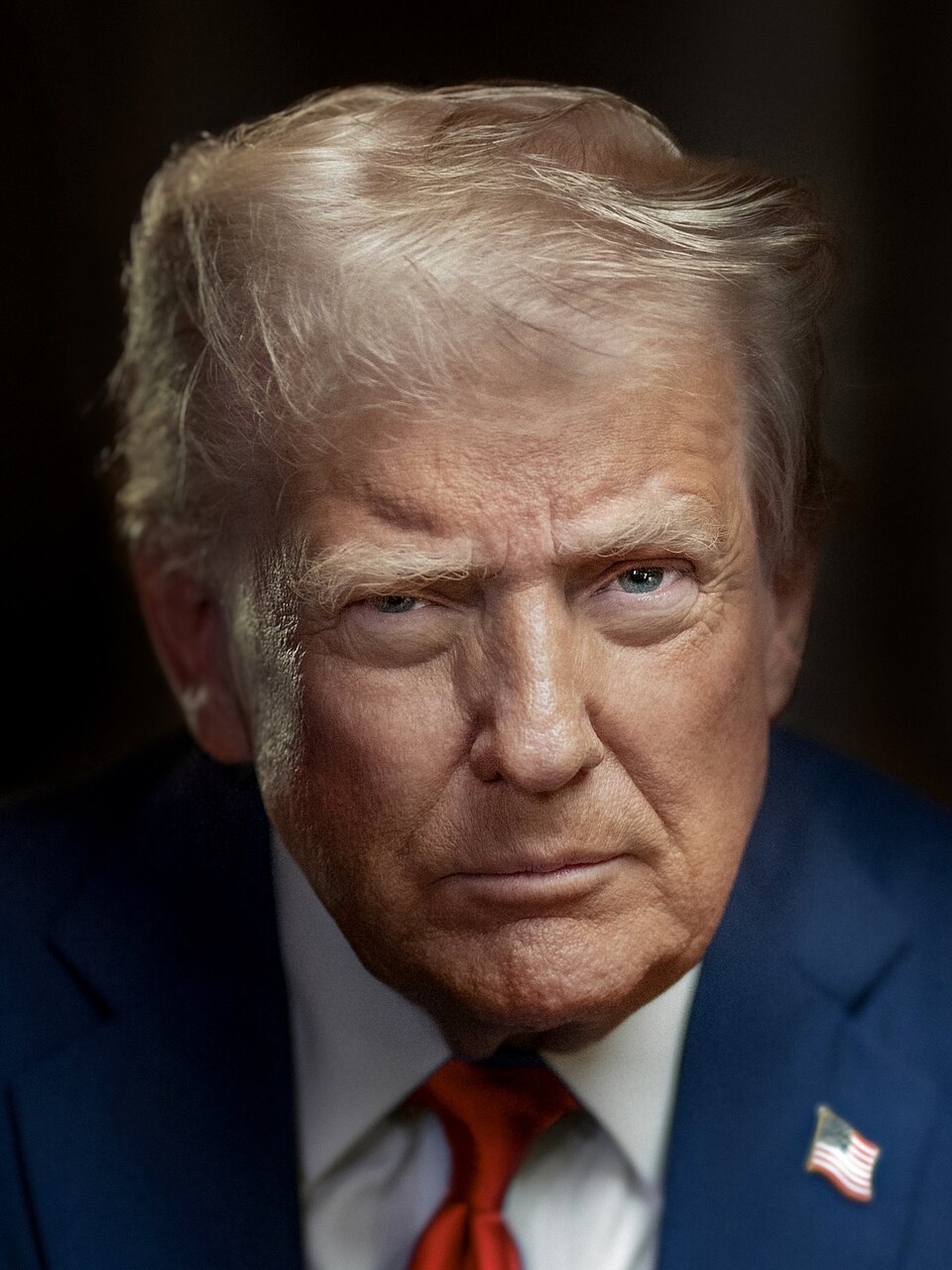
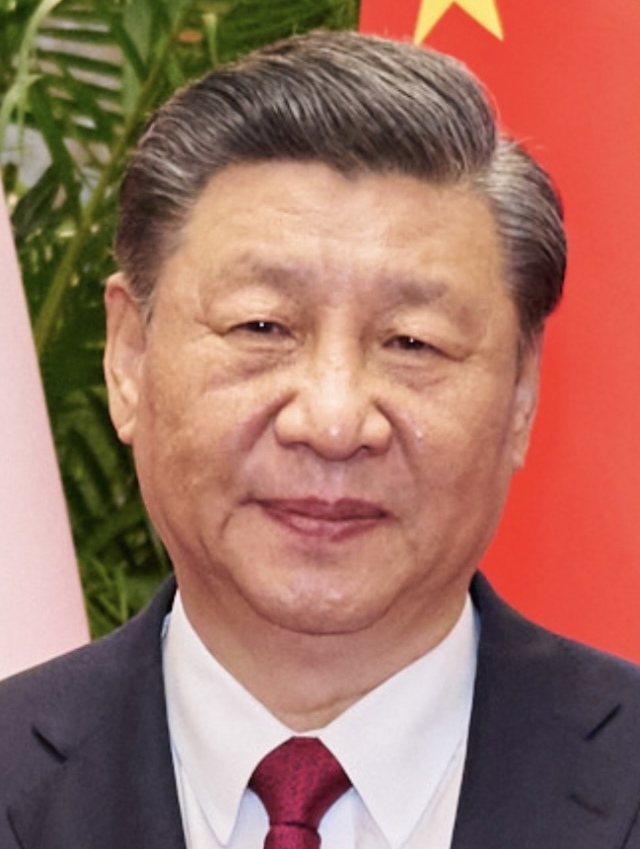
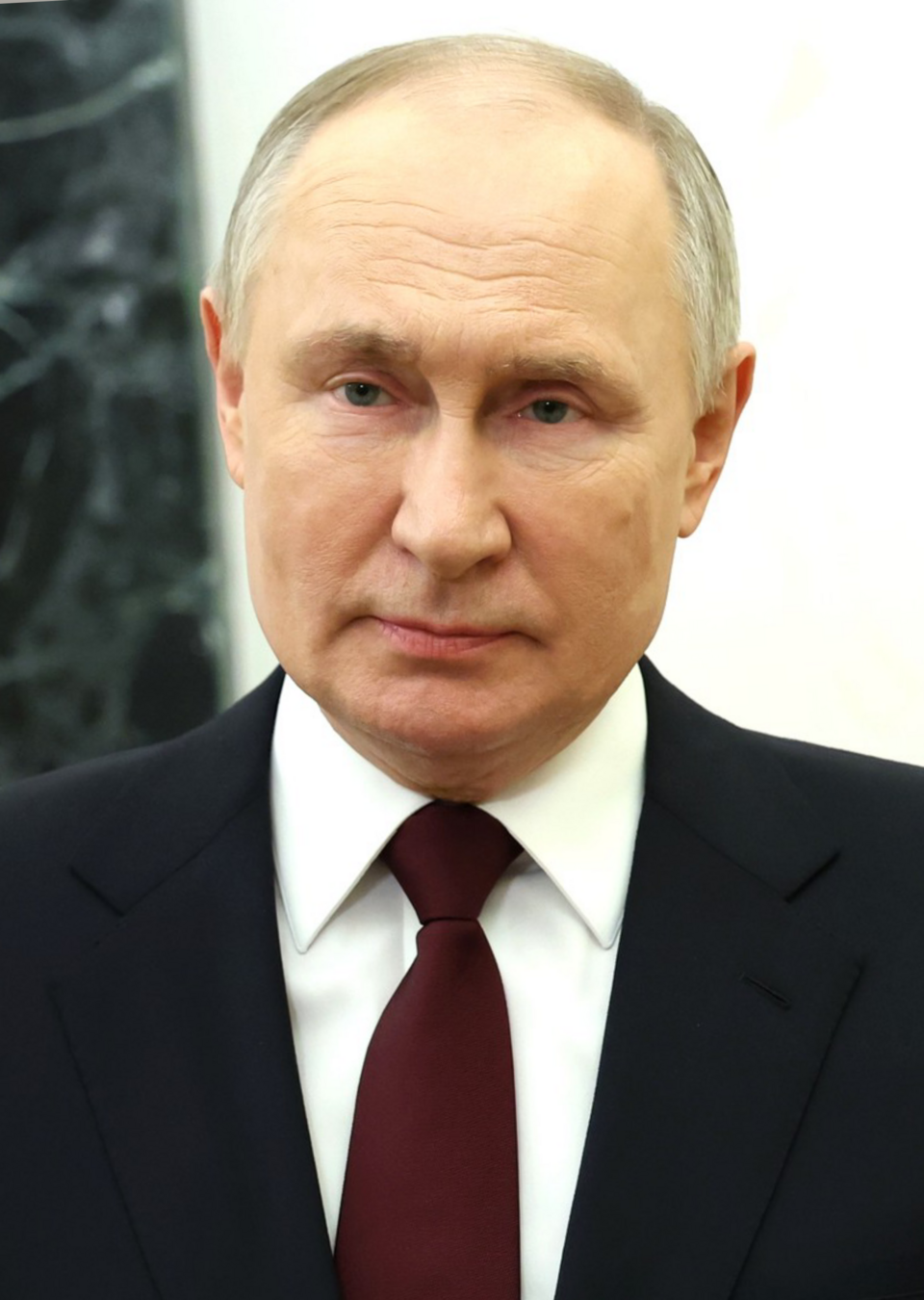
On 19 November 2026, three men sat down together at the Kylin Villa in Shenzhen, China. , and talked for about an hour and a half, on the sidelines of the summit. It was the first meeting of its kind between the three countries' leaders.
The three leaders who met in Shenzhen on 19 November 2026.
Their joint declaration promised to maintain “strategic stability”, to reform the UN and to raise the supply of refined oil products. It said the International Criminal Court “must not abuse” its jurisdiction. That court has wanted Putin arrested since March 2023. The declaration did not mention Ukraine.
Putin told the room, “we have shared interests in Ukraine”. His spokesman, , said afterwards that Ukraine was not “the central topic”.
For a leader under Western sanctions and an international arrest warrant, it was a seat at the top table. Yet that same week, the news from the war ran the other way.
✓Answered: Is Washington squeezing Moscow or easing off?
The same week, Russia hit Kyiv's bridges, Ukraine hit the bridge to Crimea, and drones cut Russian refining by close to half.
On the night of 16 to 17 November 2026, seven Russian ballistic missiles hit Kyiv's two main bridges over the Dnipro, according to President . Both bridges were closed to traffic.
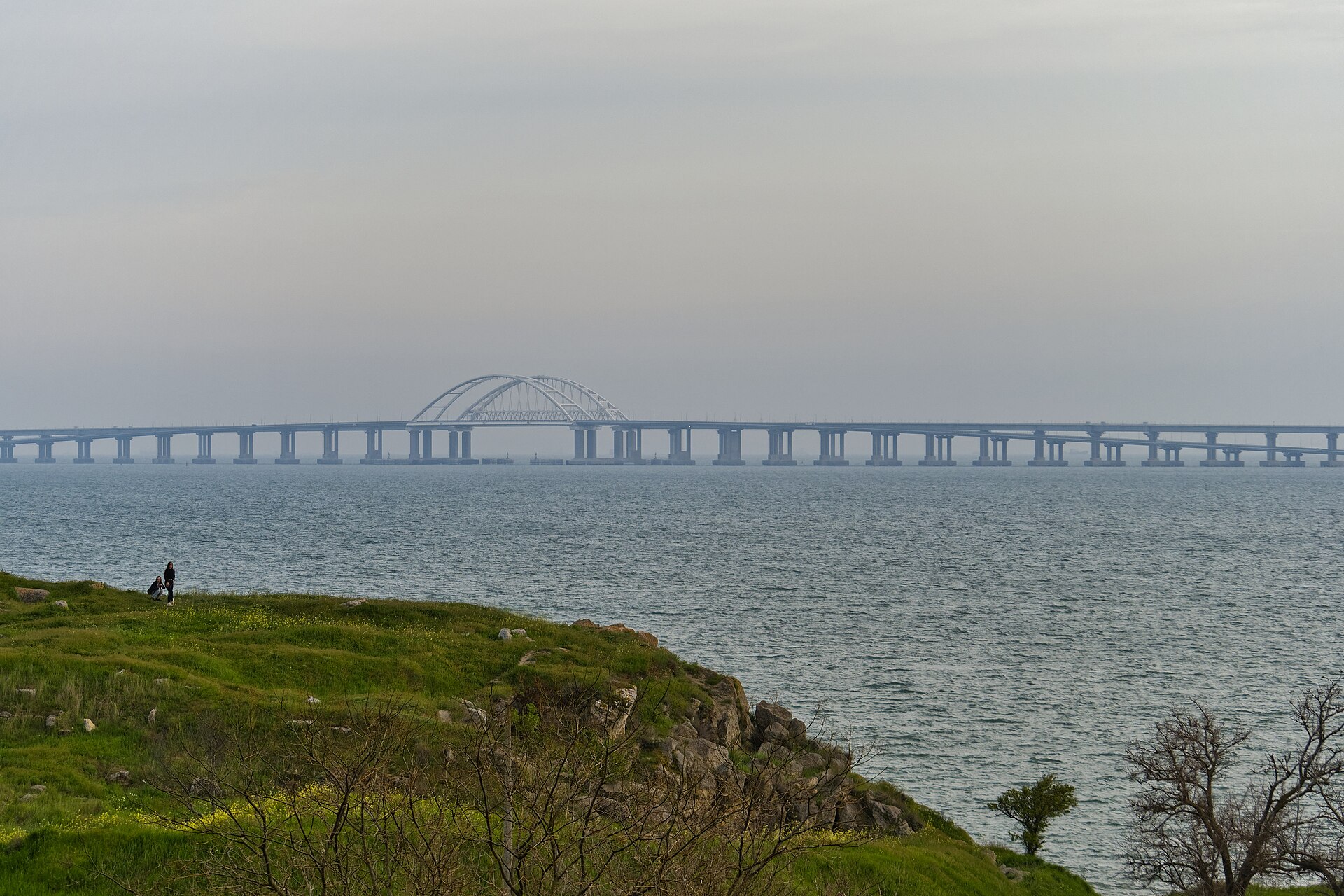
Within hours, Ukraine struck back. Its drones and missiles hit the Kerch Bridge, which links Russia to occupied Crimea, and Ukraine's General Staff said a road span collapsed. The Associated Press could not verify Ukraine's images of the damage. Russia said it shot down 1,441 Ukrainian drones that night.
On 18 November, two industry sources told Reuters that drone strikes had cut Russian refineries' crude processing by 45 percent since late October. And on the ground, Russia had lost more territory than it took in both September and October, by the count of the .
Timeline
Three weeks in November 2026
7 Nov 2026 – 16–17 Nov 2026
36 ballistic missiles at Kyiv regionOnly four shot down, Zelensky says, for lack of Patriot interceptors.
Talks in Abu DhabiFirst Russia–Ukraine talks in nine months; a prisoner swap agreed, no breakthrough.
US envoys see Putin, then ZelenskyWitkoff and Kushner meet Putin in Moscow and brief Zelensky near Dublin.
Kyiv's bridges and the Kerch Bridge hitSeven Russian ballistic missiles hit Kyiv's main bridges; Ukraine strikes the bridge to Crimea.
18 Nov 2026 – 26 Nov 2026
Russian refining down 45%Reuters: crude processing cut by 45% since late October.
Shenzhen trilateral and Berlin coalitionTrump, Xi and Putin meet in Shenzhen; about 30 leaders meet in Berlin on guarantees for Ukraine.
Kremlin rejects EU “ultimatums”Peskov, as reported by TASS: “Russia does not owe anything to anyone.”
Casualty and damage figures come from officials and cannot be independently verified.
✓Answered: Is Russia winning the war on the ground?
To follow any of it, you need one contrast first: Russia's grip at home is tight, while its war has stalled.
Russia is a nuclear-armed resource state run by an authoritarian presidency. Putin has led it, as president or prime minister, since 2000. In September 2026 his party won a record 349 of the 450 seats in parliament.
Its army holds roughly a fifth of Ukraine. But in 2026 that line has barely moved. In the first ten months of the year, Russia seized about 117 square kilometres, by ISW's count. In 2025, Al Jazeera reports, it gained 5,304.
The economy grew 1 percent in the third quarter of 2026, by Rosstat's provisional estimate. The central bank's , the basic price of borrowing, is still 14 percent.
Side by side
Russia: what it was, what it is now
Soviet Union (to 1991)
Russia in the 1990s
Russia now (November 2026)
Politics
One-party Communist state
Competitive but chaotic; a 1993 constitution with a very strong presidency
Authoritarian presidency; United Russia holds 349 of 450 Duma seats
Economy
State-planned, heavily industrial
Shock therapy, output down by an estimated 40%, oligarchs
State-steered war economy built on oil and gas; growth about 1%, key rate 14%
Territory
15 republics, about 22.4 million km²
Russia alone, about 17 million km²
Claims Crimea and four Ukrainian regions; holds about a fifth of Ukraine
World role
Superpower rival of the US
Weak, seeking Western partnership
In confrontation with Europe, close to China and North Korea, courted by Washington
Military
Tens of thousands of nuclear warheads
Decay and a failed Chechen war
About 5,420 warheads; a large army worn down by war
Figures are approximate. Territory and casualty figures are estimates.
✓Answered: What kind of country is Russia now, and how different is it from the Soviet Union?
Russia is the largest country on earth and is losing people, and its open western plain is why its rulers prize buffer states.
Russia covers about 17.1 million square kilometres, more than any other country. It spans eleven time zones and has land borders with fourteen countries. About 146 million people live there, by Rosstat's 2025 estimate, which counts occupied Crimea. Nearly 72 percent are ethnic Russians.
The population peaked at about 148.7 million in 1991. It is now one of the oldest in the world, and Rosstat's own projection sees it falling to 130 million by 2046.
One feature of the map explains a great deal. Russia's western plain has few natural barriers, and its security planners have long treated the states between Russia and its rivals as vital buffers. Hold on to that idea. It comes back in every chapter.
By the numbers
Russia at a glance
17.1m km²Area, the world's largest
146mPeople, Rosstat estimate for 2025
11Time zones
5,420Nuclear warheads, FAS estimate for 2026
Population estimate includes occupied Crimea.
The rest of the profile
Economy: about $2.9 trillion in nominal terms in 2026, by the IMF's estimate, built on oil, gas, metals, grain and fertiliser.
Nuclear arsenal: about 5,420 warheads in total and 4,400 in the military stockpile at the start of 2026, according to the Federation of American Scientists, slightly more than the United States.
Global role: a permanent seat on the UN Security Council, inherited from the Soviet Union.
Identity: mostly Orthodox Christian by heritage, with a large Muslim minority. The state promotes Orthodoxy, the Second World War victory and “traditional values” as its core story.
This chapter settles why Russian history keeps swinging from collapse to strong central rule, and why the 1990s left so many Russians wanting order.
Russia's story begins in Kyiv, and Moscow rose by collecting the Mongols' taxes.
Historians often describe a rhythm in Russian history: a collapse, then a stronger ruler at the centre. This chapter meets it four times.
The story starts in Kyiv, not Moscow. lasted from about 880 to 1240. In 988, the chronicle says, Prince Vladimir ordered the people of Kyiv baptised into Orthodox Christianity. Belarus, Russia and Ukraine all claim that state as their ancestor.
The first collapse came from outside. The Mongols sacked Kyiv in 1240. Moscow found its chance inside the new order. In 1331 the khan of the made Moscow's prince, Ivan I, grand prince and responsible for passing on tribute from the other Russian cities. He paid on time and grew stronger.
Moscow stopped paying tribute in 1476. A standoff on the Ugra river in 1480 is traditionally taken as the end of the “Tatar yoke”, though some historians call it indecisive. In 1547 Ivan IV was crowned the first tsar.
Timeline
A thousand years of collapse and comeback
Kyivan Rus'
Kyivan Rus' emerges, centred on Kyiv
Kyiv baptised into Orthodox Christianity
Mongol rule
The Mongols sack Kyiv
Moscow's prince becomes the Horde's tribute collector
Muscovy
Standoff on the Ugra ends the “Tatar yoke”
Ivan IV crowned first tsar
Time of Troubles
Time of Troubles: dynasty dies out, famine, Polish occupation
Russian Empire
Peter the Great proclaims the Russian Empire
Soviet Union
The monarchy falls; the Bolsheviks take power
War with Germany: about 27 million Soviet dead
Russian Federation
The Soviet Union dissolves into 15 states
Shock therapy, hyperinflation, default
Putin elected president
Dates for the early centuries are traditional or approximate.
The Time of Troubles taught Russia's rulers that weak rule invites chaos and foreign occupation, and the empire that followed became the largest on earth.
The second collapse came from within. In 1598 Tsar Feodor I died without an heir, ending the main line of the Rurik dynasty. A famine from 1601 to 1603 killed a large share of the population. Polish forces held the Kremlin until October 1612. This was the .
On 21 February 1613 an assembly chose sixteen-year-old Mikhail Romanov as tsar. The lesson that stuck, in the seed edition's words, was a lasting fear that weak rule means chaos and foreign occupation.
The comeback was enormous. Peter the Great proclaimed the Russian Empire in 1721. Catherine the Great annexed Crimea in 1783, Russia defeated Napoleon's invasion in 1812, and it freed its serfs in 1861. The result was the largest contiguous empire on earth, and a great-power image of itself that Russia still carries.
The Soviet Union beat Germany at a cost of about 27 million lives, then broke into 15 states in 1991.
The third collapse came in 1917. The monarchy fell in March, and the Bolsheviks took power later that year. The Soviet Union was formed on 30 December 1922. Stalin forced industrialisation and ran purges and the camps.
Then came the war that defines modern Russian memory. The Soviet Union lost about 26.6 to 27 million people in the Second World War, civilians included. Victory became the central national story.
The fourth collapse was quieter. 's reforms loosened the Communist Party's grip and unleashed nationalism in the republics. In December 1991 the Union dissolved into 15 independent states. Russia kept about 17 million of the Union's 22.4 million square kilometres, so roughly a quarter of the land fell away.
Chart
What Russia kept in 1991
Soviet Union22.4million km²
Russian Federation17.1million km²
Approximate areas in million square kilometres.
In the 1990s prices exploded, output collapsed, men died younger, and a few insiders got the oil.
In January 1992, 's government freed most prices at once, a policy known as . Prices rose 245 percent in that month alone. Inflation for the whole of 1992 was around 2,500 percent.
Output fell hard. By one widely cited estimate, the economy shrank about 40 percent between 1991 and 1998, though some economists say that overstates it. Male life expectancy dropped from about 65 years in 1987 to about 57 in 1994.
Ownership changed hands just as fast. In the 1995 auctions, banks lent the state money and ended up with giants like Norilsk Nickel, Yukos and Sibneft. A 51 percent stake in Norilsk went for about $170 million. The winners became known as the , and the timing gave them every reason to keep Yeltsin in power at the 1996 election.
By the numbers
The 1990s in four numbers
245%Price rise in January 1992 alone
~2,500%Inflation in 1992
~40%Estimated fall in GDP, 1991 to 1998
65 → 57Male life expectancy, 1987 to 1994
The output fall is an estimate; some economists think it overstates the real decline.
✓Answered: Why did so many Russians accept a strongman after communism fell?
Yeltsin shelled his own parliament in 1993, the state defaulted in 1998, and by 2000 a former KGB officer was president.
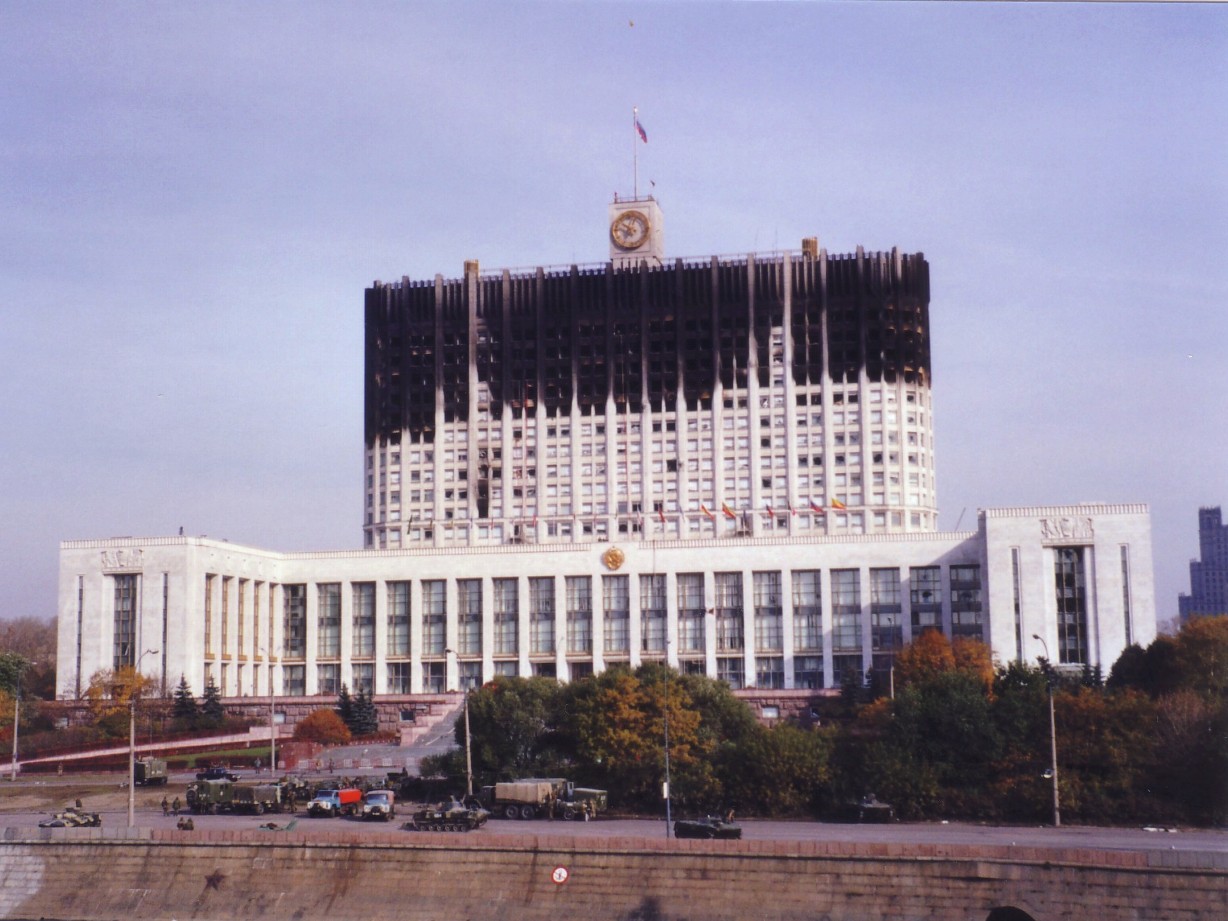
The White House, then the seat of Russia's parliament, on 4 October 1993, its upper floors burned out after the tank shelling and the assault Yeltsin ordered. Taken from the Kalininsky Bridge. Photo: Bergmann / Wikimedia Commons, CC BY 3.0
On 4 October 1993, after a long standoff with parliament, the army shelled the parliament building with tanks and stormed it on Yeltsin's orders. Official figures put the dead in the ten-day conflict at 147. Yeltsin then pushed through a constitution with a far stronger presidency, and it still frames the system.
On 17 August 1998 the government defaulted on its domestic debt and devalued the rouble, which lost about two-thirds of its value within a month. In 1999 took in Poland, Hungary and the Czech Republic and bombed Serbia despite Russian protests.
That August, Yeltsin made , a former officer and head of the , prime minister. In September four apartment bombings killed more than 300 people. The government blamed Chechen militants, and the attacks helped launch a second Chechen war and Putin's popularity. Some historians and journalists argue Russia's own security services were behind them, which has never been proven. Yeltsin resigned on 31 December 1999, and Putin won the presidency in March 2000.
DisputedWho was behind the 1999 apartment bombings?Who carried out the bombings that killed more than 300 people in September 1999?
Russian government and courts
Chechen militants. A 2004 court attributed the Moscow and Volgodonsk attacks to Achemez Gochiyaev.
Some historians and journalists
A false-flag attack by the security services, to build support for war in Chechnya and for Putin. They cite the device found in Ryazan on 22 September 1999, which the FSB then called a drill.
Where it stands: Chechen guilt was never conclusively proven, and neither was state involvement.
Why the decade still matters
✓Answered: Who really runs Russia, and could anything crack the system from inside?
03How the Putin system holds
This chapter settles who runs Russia now, how they keep control, and where the system could crack.
Putin has held power since 2000, and a 2020 rule change lets him stay until 2036.
Power in Russia rests with and a small circle drawn mostly from the security services. He was president from 2000 to 2008, prime minister until 2012, and president again since.
On 1 July 2020, voters approved constitutional amendments by about 78 percent. One of them discounted his earlier terms. That lets him run again in 2030 and serve until 2036.
In March 2024, the Central Election Commission said he won 87.28 percent of the vote. Most international observers did not expect that election to be free or fair. He began his fifth term on 7 May 2024.
Timeline
A quarter-century in power
31 Dec 1999 – 2012
Acting president
President, two terms
Prime minister
President again
1 Jul 2020 – 2036
Amendments reset his term countAbout 78% in favour.
Re-elected with 87.28%, officiallyMost international observers did not expect a free or fair vote.
Next presidential election
End of the last term the rules allow
Security veterans surround Putin, technocrats run the money, and since 2024 a purge has kept the elite nervous.
Many of Putin's closest aides are , veterans of the KGB, the FSB and the army. Technocrats keep the money flowing: Prime Minister and central bank governor .
In May 2024 Putin moved from defence minister to secretary of the Security Council and gave the ministry to an economist, . Arrests followed. Shoigu's former deputy Timur Ivanov got 13 years for embezzlement in 2025. In March 2026 another former deputy, Ruslan Tsalikov, was arrested on corruption charges.
In mid-2026 investigators moved on managers tied to Arkady and Boris Rotenberg, businessmen long close to Putin. , writing for Carnegie, says this seems to have Putin's blessing, and that “it's extremely hard to stop a purge once it's under way”.
How it fits together
Who runs Russia
The president
↓ appoints and purges
Security and armyThe siloviki
Diplomacy and messaging
Technocrats
Votes and blessing
Roles as last confirmed in reporting; the Kremlin reshuffles often.
The rest of the inner circle
, chief of the General Staff since 2012, directs operations in Ukraine. He is past 70, and his service was reportedly extended.
has headed the FSB since 2008. Meduza and iStories reported in September 2026 that a shake-up may come.
, president from 2008 to 2012, is deputy chair of the Security Council and gives hardline public statements.
has been foreign minister since 2004.
, the Kremlin's foreign-policy aide, briefs on Putin's talks with US envoys.
, head of the Orthodox Church, gives the state and the war religious backing.
In September 2026 the Kremlin's party won a record 349 of 450 seats, after the only anti-war party was kept off the ballot.
Russia elected a new , the lower house of parliament, over three days, from 18 to 20 September 2026. , Putin's party, won 349 of the 450 seats. That is a record. The Communists came second with 37. Turnout was 59.8 percent.
The field had been cleared first. The Supreme Court removed , the only registered party to criticise the war, from the ballot. Russia did not invite . Forty-six veterans of the war won seats, 41 of them for United Russia.
Shares of the whole
The Duma elected in September 2026
349seats United Russia
37seats Communists (KPRF)
23seats LDPR
19seats New People
17seats A Just Russia
5seats Rodina and independents Rodina 1, independents 4
Seats out of 450.
Critics are dead, jailed or abroad, and the state is taking over how Russians message each other.
Russia's best-known critic, , died in an Arctic prison in February 2024. Since 2022, laws against “discrediting” the army have jailed critics or pushed them abroad.
On 17 August 2026 a court sentenced , deputy leader of Yabloko, to 11 years and one month in prison over anti-war comments.
Then the state turned to everyday conversation. On 12 February 2026 the Kremlin confirmed it had blocked WhatsApp, and it has restricted Telegram. Users are steered towards , a state-backed app that comes pre-installed on new devices. Hundreds of services, the tools people use to get around blocks, have also been restricted.
But everything rests on one man with no named successor, and in 2023 an armed rival marched on Moscow.
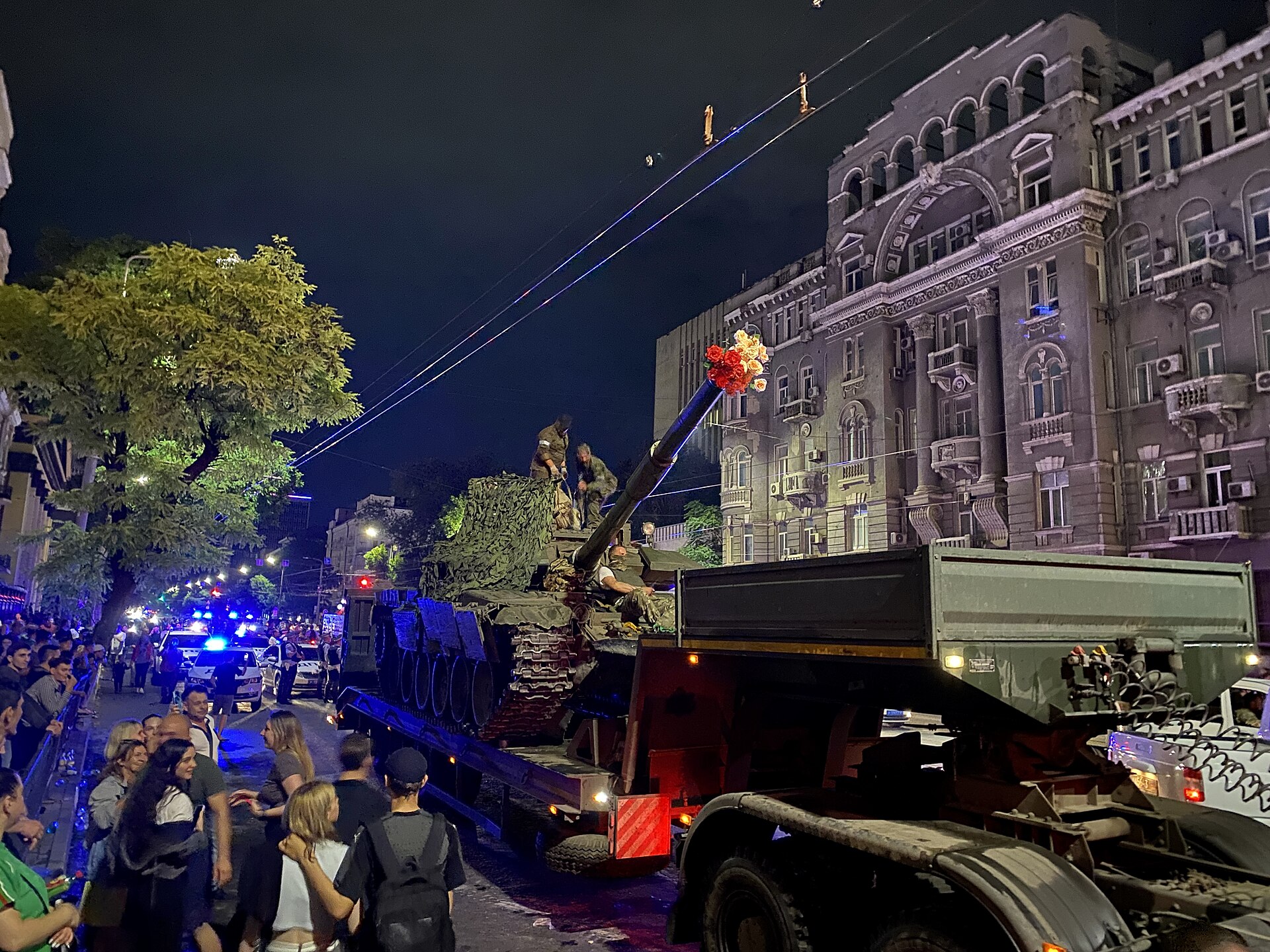
A Wagner tank with flowers in its barrel in Rostov-on-Don on the night of 24 June 2023, as the mutineers withdrew. Photo: Fargoh / Wikimedia Commons, CC0
On 23 and 24 June 2023 the mercenary group mutinied. It seized the southern city of Rostov-on-Don, including a military headquarters, and its column got to within about 95 kilometres of Moscow. Belarus's leader brokered a deal. Exactly two months later, Wagner's chief was killed when his plane exploded.
The lesson cuts both ways. The Kremlin crushed the threat. But the system depends on one man and has no clear succession, and Putin has no named successor. The purges keep the elite in line by keeping it afraid.
Side by side
What holds the system, and where it could crack
What holds it
Where it could crack
The elite
Arrests keep officials and business clans loyal
Purges breed fear; there is no named successor
Force
Security services run the state
In 2023 Wagner seized Rostov and marched towards Moscow
Votes
A record 349 of 450 Duma seats
Real opposition is barred, so discontent has no outlet
Money
War spending props up growth
The 2027 budget cuts health, schools and benefits
✓Answered: What happens next, and what would change the picture?
04Why Russia went to war
This chapter settles why Russia invaded Ukraine, in layers from oldest to newest, keeping Moscow's account apart from what the record shows.
Russians and Ukrainians claim the same medieval origin, and tell it in opposite ways.
No single cause explains the invasion. The clearest way to tell it is in layers, from the oldest to the newest, keeping what Moscow says apart from what the record shows.
The oldest layer is a founding story. Kyiv was the capital of . In July 2021 Putin published an essay, “On the Historical Unity of Russians and Ukrainians”, calling Ukraine “historically Russian lands”. For centuries Russian rulers treated Ukrainians as a branch of one Russian people.
Ukrainians tell it differently. They point to their own language, church and political traditions, and to a long record of resisting rule from Moscow. Part of the war is a quarrel over which story is true.
DisputedOne medieval state, two national storiesWhat does Kyivan Rus' mean for Russia and Ukraine today?
Putin's account
Russians and Ukrainians are one people; Ukraine is “historically Russian lands”.
Ukrainian account
A distinct nation with its own language, church and political traditions, and a long record of resisting Moscow.
Where it stands: Belarus, Russia and Ukraine all claim Kyivan Rus' as their ancestor. In 1991, 92 percent of Ukrainian voters chose independence.
✓Answered: Why did Russia invade Ukraine: NATO, empire, or a regime protecting itself?
In 1991, 92 percent of Ukrainian voters chose independence, and Russia later twice put its name to respecting Ukraine's borders.
The next layer is a divorce Moscow never fully accepted. On 1 December 1991 Ukrainians voted on independence. The yes vote was 92.26 percent, on a turnout of 84 percent. Even Crimea voted yes, by about 54 percent, and Donetsk and Luhansk by about 84.
Chart
Yes to independence, 1 December 1991
All Ukraine92.26%
Donetsk83.9%
Luhansk83.86%
Sevastopol57.07%
Crimea54.19%
Share of votes cast for independence.
Crimea had been transferred from Soviet Russia to Soviet Ukraine in 1954. On 5 December 1994 Ukraine signed the , giving up the Soviet nuclear weapons on its soil. In return Russia, the United States and Britain promised to respect its independence and existing borders. In 1997 Russia signed a friendship treaty with Ukraine that confirmed their common border.
From 2004 to 2014 the struggle was over which way Ukraine would face, and it ended with Russia seizing Crimea.
In 2004 mass protests, the , forced a court-ordered rerun of a disputed presidential election. At Bucharest in April 2008, leaders declared that Ukraine and Georgia “will become members of NATO”, but refused them a , mainly because France and Germany objected. That August, Russia fought a short war with Georgia.
In November 2013 President shelved an agreement with the , and protests grew into the . He fled Kyiv on 21 February 2014. Moscow called it a coup; Ukraine's new leaders and Western governments called it a revolution.
Within days, soldiers without insignia began seizing Crimea, and on 18 March 2014 Putin signed a treaty annexing it. The UN General Assembly declared the referendum there invalid, by 100 votes to 11. Russia then backed armed separatists in the , and the of 2014 and 2015 failed to stop the fighting.
Timeline
The road to war, 1991 to 2022
1 Dec 1991 – 2004
Ukraine votes for independence
Budapest MemorandumUkraine gives up nuclear weapons for border assurances.
Russia–Ukraine friendship treaty
Orange Revolution
Apr 2008 – 21 Feb 2014
Bucharest: “will become members”, but no action plan
Russia–Georgia war
Euromaidan protests begin
Yanukovych flees Kyiv
18 Mar 2014 – 24 Feb 2022
Russia annexes Crimea
Putin's essay on “historical unity”
Russia's demands to NATO
Full-scale invasion
In February 2022 Putin invaded, expecting a quick victory, and the war became a long grind instead.
In December 2021 Russia demanded that NATO pull back from its eastern members and bar Ukraine from ever joining, while it massed troops near the border. NATO refused. On 21 February 2022 Putin recognised the Donetsk and Luhansk “people's republics”.
Three days later he announced a “” for the “demilitarisation and denazification” of Ukraine. His claim that Russians in the Donbas faced genocide was baseless. Britain's RUSI think tank reported that the plan was to defeat Ukraine within ten days.
Instead, Russian troops pulled back from the north by early April. Ukraine launched a surprise counteroffensive near Kharkiv on 6 September. On 21 September Putin announced a partial , and on 30 September he declared four Ukrainian regions annexed. The UN General Assembly rejected that by 143 votes to 5. On 11 November Ukrainian troops entered Kherson.
NATO grew from 16 members to 32, but the NATO story alone leaves gaps, and five explanations compete.
Moscow says it is defending itself against NATO's expansion and rescuing Russian speakers. It also says the West promised in 1990 not to enlarge NATO, which is disputed. The enlargement is real: 16 members when the Soviet Union fell, 32 today.
DisputedDid the West promise not to expand NATO?Was there a 1990 promise not to enlarge NATO?
Moscow
Yes. In 1990 James Baker spoke of no extension of NATO “one inch to the east”; later enlargement broke that assurance.
Western governments
No. The 1990 agreements on German reunification say nothing about other countries joining NATO.
Where it stands: Disputed. Gorbachev himself later said enlargement was “not discussed at all” in 1990; some historians say Russian claims are “by no means baseless”.
But Ukraine was not close to joining in 2022. And the invasion itself drove Finland into the alliance on 4 April 2023 and Sweden on 7 March 2024. Other motives fill the gap: a belief that Ukraine belongs to Russia's story, and a regime that fears a free, prosperous neighbour. Most analysts treat the motives as intertwined, and the decision itself rested with one man.
Readings
Why Russia went to war: five readings
1Argued
Security and NATO
The caseRussia reacts to NATO's eastward growth and Ukraine's Western tilt; associated with the realist John Mearsheimer. Its December 2021 demands centred on NATO.
The counterUkraine was not close to joining in 2022, and the invasion drove Finland and Sweden into NATO.
2Argued
Empire and history
The casePutin sees one people and wants a Russian sphere restored, as his July 2021 essay and the 2022 annexations suggest.
The counterIt explains the aim but not the timing, and Ukrainians have shown a distinct identity.
3Argued
Regime survival
The caseA free, prosperous Ukraine threatens an authoritarian model; Moscow fears “colour revolutions”, and war justifies repression.
The counterThe war has exposed the regime to risk: the 2022 mobilisation and the 2023 Wagner mutiny.
4Argued
Great-power status
The caseRussia wants to be a pole in a multipolar order and to settle European security directly with Washington.
The counterThe war has made Russia more dependent on China, weakening its claim to equal status.
5Argued
War-economy momentum
The caseDefence industry, security services and favoured regions now profit from the war, so ending it is costly.
The counterA reinforcing factor rather than an original cause.
Not mutually exclusive; most analysts see several at work.
Most of the world rejected Moscow's case. On 2 March 2022 the UN General Assembly demanded that Russia withdraw, by 141 votes to 5.
This chapter settles who is winning on the ground in late 2026, at what cost, and why the war has turned into a fight over energy.
Russia claims four mainland Ukrainian regions as its own, but on the ground it fully holds none of them.
Start with the map. Russia counts 89 regions; almost every other country counts 83. The difference is Crimea, Sevastopol and four Ukrainian regions: Donetsk, Luhansk, Zaporizhzhia and Kherson. Russia Crimea in March 2014 and declared the four annexed on 30 September 2022.
But a claim is not control. In August 2026 ISW estimated that Russia held about 99 percent of Luhansk and about 80 percent of Donetsk. For Zaporizhzhia and Kherson, estimates from 2025 put it at roughly 70 to 75 percent. The city of Kherson is back in Ukrainian hands.
The numbers are themselves a battleground. At the November 2026 talks, Zelensky said Russian negotiators falsely claimed to hold half of the Donbas still in Ukrainian hands, and that NATO's top commander in Europe backed Kyiv's maps.
Side by side
What Russia claims, and what it holds
Claimed by Russia since
Estimated Russian control
Crimea and Sevastopol
March 2014
Full
Luhansk
30 September 2022
About 99% (ISW, August 2026)
Donetsk
30 September 2022
About 80% (ISW, August 2026)
Zaporizhzhia
30 September 2022
Roughly 70–75% (2025 estimates)
Kherson
30 September 2022
Roughly 70–75% (2025 estimates); Kherson city retaken by Ukraine in November 2022
Control figures are outside estimates; the 2025 figures are older than the rest.
In 2026 the Russian advance stalled, and in September and October Russia lost more ground than it took.
For three years Russia ground forward. Al Jazeera puts its gains at about 3,604 square kilometres in 2024 and 5,304 in 2025. In the first ten months of 2026, by ISW's count, Russia seized only about 117.
Then the line began to move the other way. ISW says Russia suffered a net loss of about 81 square kilometres in September. In October it took about 140 and lost about 167, a net loss of about 27. ISW links this to Russia losing the initiative across much of the front.
The fighting goes both ways. In late November ISW reported Ukrainian advances near Borova and Russian gains south-east of Dobropillya. Russia's claim to hold the town of Kostiantynivka is contradicted by at least 41 Ukrainian positions ISW has observed in and around it since 1 September.
Chart
Russia's territorial gains in Ukraine
20243604km²
2025Includes 473 km² retaken in Russia's Kursk region5304km²
2026, Jan–Oct117km²
2026 figure from ISW, which counts geolocated footage, and covers January to October only. 2024 and 2025 figures as reported by Al Jazeera.
The price is enormous: one estimate puts Russian casualties near 1.4 million, and nobody can check it.
In mid-2026 the US think tank estimated Russia's casualties at about 1.4 million killed, wounded or missing, including as many as 450,000 dead. Stars and Stripes, which reported the estimate, put Ukraine's casualties at roughly 600,000. In the first half of 2026, it said, Russia suffered nearly eight casualties for every Ukrainian one.
Ukraine's General Staff says Russia lost 54,400 killed or seriously wounded in October 2026 alone, its highest monthly figure of the war. Al Jazeera, which reported the number, could not verify it. ISW reports that Russian daily losses in early November ran above its daily recruitment.
The Kremlin rejects all of this. In January 2026 Peskov said only figures from Russia's defence ministry should be trusted. There is no independent count, so treat every number here as an estimate.
DisputedHow many Russian soldiers have been lost?What has the war cost Russia's army?
CSIS (US think tank), mid-2026
About 1.4 million killed, wounded or missing, including up to 450,000 dead.
Ukraine's General Staff
54,400 killed or seriously wounded in October 2026, a monthly record; 381,300 from January to October.
The Kremlin
Outside estimates are not reliable; only defence ministry figures should be trusted.
Where it stands: Unverifiable. Every estimate points to losses far above Ukraine's.
No independent count exists. All figures are estimates.
Russia is pounding Ukraine's grid and bridges before winter, and Ukraine is short of the interceptors to stop it.
Away from the front, much of the war is now fought in the air. On 7 November 2026 Russia fired 36 ballistic missiles at Kyiv and its region, and Zelensky said only four were shot down because Ukraine was short of Patriot interceptors. He said Russia used North Korean-made ballistic missiles against energy sites.
Earlier that week, a strike on a former school in Komyshuvakha, where people were waiting for aid, killed 55 people. On 17 November Russian missiles closed Kyiv's two main bridges. On the night of 24 to 25 November Russia launched 112 strike drones.
Ukraine's defences are thin. ISW reports that the United States keeps delaying delivery of Patriot interceptors that Europe has paid for. Britain announced £240 million in air defence for the winter.
By the numbers
The air war in November 2026
36Ballistic missiles at Kyiv region, 7 November; 4 shot down
55Killed at an aid point in Komyshuvakha
7Ballistic missiles that hit Kyiv's two main bridges, 17 November
112Strike drones launched on 24–25 November
Figures from Ukrainian officials and ISW.
Ukraine's answer is a drone campaign against Russian oil, which has cut refining by roughly a third to almost half.
After Trump's energy truce announcement on 11 October, Ukrainian strikes on refineries eased for about two weeks. Then they resumed, almost daily.
On 10 November two industry sources told Reuters that the renewed strikes had cut Russia's capacity by about 30 percent. By 18 November, Reuters reported, 15 of Russia's 35 major refineries were disrupted or halted, and daily crude processing was down 45 percent since late October. Kyiv claimed a higher figure, 51 percent.
The two Reuters numbers measure different things, capacity and actual throughput, which is why they differ. On the night of 16 to 17 November Ukraine also struck the Kerch Bridge, Russia's road and rail link to Crimea, and Peskov said it would be restored.
DisputedHow much of Russia's refining has Ukraine knocked out?How much Russian refining was out of action in November 2026?
Reuters industry sources, 10 November
About 30% of refining capacity affected since late October.
Reuters industry sources, 18 November
Crude processing down 45%, from over 700,000 to about 400,000 tonnes a day; 15 of 35 major refineries disrupted.
Ukraine's government
51% of capacity out of action.
Where it stands: Independent estimates range from about a third of capacity to nearly half of throughput. Russia's energy ministry did not comment.
Capacity and throughput are different measures.
✓Answered: Can Russia's economy keep paying for the war?
06The table, and Washington's two hands
This chapter settles whether peace is close, what each side demands, and why Washington is easing pressure on Moscow even as it mediates.
On 11 October Trump announced an energy ceasefire, and neither Moscow nor Kyiv ever confirmed agreeing to it.
On Sunday 11 October 2026, posted that Russia and Ukraine had agreed an “energy ceasefire”, starting right away. He added: “Do not break it!” An means a halt to strikes on power and fuel sites only. Zelensky welcomed it. That evening, he said, a power plant in Kharkiv was attacked.
Three days later, asked: “What is the outline of the energy ceasefire, and what does it mean? Has it been specified?” Neither Moscow nor Kyiv acknowledged agreeing to it, Reuters later reported. Trump had made a similar claim on 14 September, and nothing came of that either.
DisputedWas there an energy ceasefire in October 2026?Did Russia and Ukraine agree an energy ceasefire on 11 October 2026?
Donald Trump
Yes: an “energy ceasefire”, starting right away. “Do not break it!”
Volodymyr Zelensky
Welcomed it, and said Ukraine would hold off if Russia did; reported a Russian strike on a Kharkiv power plant that evening.
The Kremlin
“What is the outline of the energy ceasefire, and what does it mean? Has it been specified?”
Where it stands: Never confirmed. Ukrainian refinery strikes eased for about two weeks, then resumed; Russian strikes on the grid continued.
✓Answered: Is a peace deal close, and what does each side demand?
Washington passed tough sanctions in September, then waived most of them, licensed Russian diesel and invited Putin to the G20.
In September 2026 Congress passed a sweeping Russia sanctions law, 86 to 11 in the Senate, and Trump signed it. The ordered tariffs of up to 100 percent on the five biggest buyers of Russian oil and gas. Those are , aimed at Russia's customers rather than Russia.
Then the other hand moved. On 9 October Trump announced a deal to buy Russian diesel, and the Treasury licensed it until April 2027. Zelensky called it “a weak decision”. The Financial Times reported that the first tankers found no buyers; the Kremlin called that fake news. On 16 October, two days before the tariffs were due to take effect, Trump waived most of the law. The White House said enforcing it could hinder peace talks. Senate Democratic leader Chuck Schumer said it gave “the Russian economy life support”.
Kyiv also accuses Washington of delaying Patriots and restricting Starlink, which the US denies doing for political reasons. , the EU's foreign policy chief, said: “American negotiators have been trying to push Ukraine into surrender for almost two years.”
Side by side
Washington's two hands
Pressing Moscow
Easing on Moscow
Sanctions law
Signed in September 2026 after an 86–11 Senate vote
Most of it waived on 16 October
Oil
Sanctions on Rosneft and Lukoil since October 2025
Russian diesel licensed until April 2027
Diplomacy
Envoys pushing talks, a prisoner swap
G20 invitation; the Shenzhen trilateral
Ukraine's defence
Early-warning intelligence restored, the White House says
Kyiv says Patriots are delayed and Starlink restricted; the US denies political motives
Talks restarted in Abu Dhabi on 10 and 11 November, and the only result was a prisoner swap.
On 10 and 11 November 2026, Russian and Ukrainian negotiators met in Abu Dhabi, their first talks in nine months. led Russia's team and Ukraine's, with and mediating.
Both sides confirmed a large exchange of prisoners of war. Zelensky said swaps of 1,000 or 1,500 each were being discussed. There was no breakthrough on a ceasefire. European officials waited in Abu Dhabi but were kept out of the room. said of them: “Let them sit there in the hotel.”
On 12 November the US envoys met Putin in Moscow, then flew to Ireland to brief Zelensky. Kushner said Putin was “willing to give it a try” on letting Europeans join. Zelensky said Europe would be in the negotiating team “next time”, but no date has been set.
Timeline
The on-off peace talks
15 Aug 2025 – 18 May 2026
Trump and Putin meet in Alaska
A 28-point US plan leaks
Talks in Abu Dhabi and Geneva
Kremlin: process “on pause”
5 Sep 2026 – 12 Nov 2026
Witkoff and Kushner meet Putin
Trump announces an energy ceasefire
Abu Dhabi: prisoner swap, no breakthrough
Envoys see Putin, then Zelensky
19 Nov 2026 – 14–15 Dec 2026
Trump, Xi and Putin in Shenzhen
G20 summit in MiamiPutin invited; the Kremlin says he has not decided.
Moscow still wants the rest of the Donbas before any ceasefire, and Kyiv wants binding guarantees, so a deal is not close.
The core gap has not moved. Russian officials keep insisting that Ukraine give up the part of the it still holds before any ceasefire, according to ISW. Moscow rejects an immediate ceasefire. Zelensky says territory can only be settled by leaders.
Kyiv's other demand is : promises that someone will help defend it if Russia attacks again. On 19 November hosted about 30 leaders of the in Berlin, which plans a multinational force for Ukraine after a ceasefire. ISW says the US has given more detail on its own guarantees, but that its approval process could delay or even rule them out.
Trump has said Ukraine may end up with “a little bit different shape”. On 26 November Peskov dismissed European calls for an energy truce as ultimatums, saying, “Russia does not owe anything to anyone”, according to the state news agency TASS.
Side by side
What each side wants
Moscow
Kyiv and Europe
Washington
Territory
Ukraine must give up the rest of the Donbas first
Only leaders can settle territory
Trump: Ukraine may end up “a little bit different shape”
Ceasefire
Rejects an immediate ceasefire
Wants one, starting with limited truces
Announced an energy truce that did not hold
Security after the war
No reported offer
Binding guarantees; a European-led multinational force
More detail offered, but an approval process that could delay it
Europe's seat
Medinsky: will consider “concrete proposals”
Europe “will be in the negotiating team”
Rubio: Europeans are “part of solving this problem”
Positions as reported in November 2026.
07Paying for a war
This chapter settles whether Russia's economy can keep carrying the war, and where the strain shows.
Russia's economy shrank early in 2026 and is now growing about 1 percent a year.
Start with growth. Russia's GDP fell 0.2 percent in the first quarter of 2026, compared with a year earlier. It grew 1.3 percent in the second quarter and 1.0 percent in the third, by Rosstat's provisional estimate. The central bank expects 0.5 to 1 percent for the year.
Much of that growth comes from war spending. Defence orders and war-related wages have propped up the economy while civilian sectors stall, which is what economists mean by a .
Chart
Russia's growth in 2026, quarter by quarter
Q1 2026-0.2% year on year
Q2 2026+1.3% year on year
Q3 2026Provisional+1% year on year
Year-on-year change in GDP, Rosstat; the third quarter is provisional.
The central bank keeps money expensive because inflation will not come down, whatever the Kremlin would like.
The cut its ten times in a row from June 2025, down to 14 percent in July 2026. Then it stopped. It held at 14 percent on 11 September and again on 23 October.
The reason is prices. “Inflation remains elevated, and there is as yet no decline in its underlying components,” the bank said on 23 October. It raised its forecast for 2026 inflation to 7.1 to 7.6 percent. By Rosstat's figures, annual inflation was 6.95 percent on 2 November.
Putin publicly called for lower rates twice in the summer. Yet on 3 September he also said Russia does not have an “overly tight monetary policy”. Governor 's next decision is due on 18 December.
By the numbers
The war economy in four numbers
14%Key rate, held on 23 October 2026
7.1–7.6%Central bank's 2026 inflation forecast
0.5–1.0%Central bank's 2026 growth estimate
5.4 trn ₽Planned federal deficit in 2027
The 2027 budget gives defence a record sum and cuts hospitals, schools and family benefits to pay for it.
Here is where the war shows up in ordinary lives. Russia's draft budget for 2027 gives national defence a record 17.1 trillion roubles, according to Reuters. The New York Times put defence at more than a third of all federal spending, up more than a quarter on what was first planned for 2026.
To pay for it, the draft cuts social spending by 7 percent, education by 6 and health care by nearly 7. It raises taxes on deposit interest, dividends and property sales. Even so, the government plans a deficit of about 5.4 trillion roubles in 2027.
The Duma passed the budget at its second reading on 19 November and scheduled the final vote for 24 November. We could not confirm the final vote. Putin insists Russia will not go “humiliatingly begging for handouts”.
DisputedHow much of the 2027 budget goes to the war?What share of Russia's 2027 federal budget goes to defence and security?
Reuters, via Meduza
National defence: a record 17.1 trillion roubles.
The New York Times
Defence is more than a third of planned federal spending, up more than a quarter on the first 2026 plan.
United24 (Ukraine)
Military and security forces together: 21.3 trillion roubles, 44% of federal spending.
Where it stands: The gap probably reflects whether police and security services are counted. Either way, it is a record.
The government's own press release does not give the figure.
Oil and gas income is down about 14 percent this year, squeezed by sanctions and drones and rescued only by an oil price spike.
Oil and gas taxes supply about a fifth of Russia's federal revenue. By Reuters' calculations, that income will reach about 6.45 trillion roubles from January to October 2026, down 14 percent on a year earlier. These are estimates; we did not find the finance ministry's own October figure.
Outside events swing it. A US-Israeli war with Iran began on 28 February 2026 and disrupted shipping through the Strait of Hormuz. The price of Russia's Urals crude jumped from $67.10 in August to $92.10 in September, so Reuters expected October's oil and gas revenue to be up 10 percent year on year.
Pressure keeps coming. The 's 21st froze its at $44.10 a barrel in July. Its 22nd, on 12 October, added about 1,600 people and companies, mostly in the arms industry. And Ukraine's drones now hit the refineries themselves.
Timeline
What moved Russia's oil money in 2026
28 Feb 2026 – 9 Oct 2026
US-Israeli war with Iran begins; Hormuz shipping disrupted
EU's 21st package freezes price cap at $44.10
Urals averages $92.10, up from $67.10 in August
US licenses Russian diesel to April 2027
12 Oct 2026 – Late Oct–Nov 2026
EU's 22nd package: about 1,600 new listings
Trump waives tariffs on Russia's oil buyers
Drone campaign cuts refining by up to 45%
08Russia's friends, its rivals, and everyone else
This chapter settles who stands with Russia, what binds them to it, why most of the world hedges, and why Europe now treats it as the main threat.
When the UN voted on 2 March 2022, only four countries joined Russia in voting no.
One vote shows the pattern. On 2 March 2022 the UN General Assembly demanded that Russia withdraw from Ukraine. 141 countries voted yes. Only four joined Russia in voting no: Belarus, Eritrea, North Korea and Syria. Another 35 abstained, among them China, India, South Africa, Pakistan, Iran, Cuba and Vietnam.
Shares of the whole
The UN vote of 2 March 2022
141countries Yes
5countries No Russia, Belarus, Eritrea, North Korea, Syria
35countries Abstained Including China, India, South Africa, Pakistan, Iran, Cuba and Vietnam
12countries Did not vote
Resolution ES-11/1, demanding Russia's withdrawal from Ukraine. 193 member states.
Four years on, the picture had blurred. On 24 February 2026 a resolution backing “lasting peace in Ukraine” passed by 107 votes to 12, with 51 abstentions. This time the United States abstained, and its attempt to delete the paragraphs on Ukraine's territorial integrity failed. The two texts differ, so the totals are not strictly comparable.
✓Answered: Who stands with Russia, and is it really isolated?
Russia's friends are bound to it by arms, oil, money or protection more than by a shared cause.
The states that stand with Moscow are mostly sanctioned, isolated or dependent. North Korea is the clearest case. It signed a mutual defence treaty with Russia on 19 June 2024 and sent troops from October that year. About 14,000 North Korean soldiers fought in Kursk, according to Reuters. In November 2026 Zelensky said Russia was using North Korean-made ballistic missiles on Ukraine's energy.
Russia pays back with protection. In March 2024 it used its to end the UN panel that monitored sanctions on North Korea. Iran supplied , though how many is disputed. Syria's fell on 8 December 2024 and fled to Moscow. Nicaragua recognised Russia's annexations in 2025. Belarus is bound to Russia in a .
Side by side
Russia's friends, and what binds them
What they give Russia
What Russia gives them
North Korea
About 14,000 troops in Kursk; ballistic missiles
A 2024 defence treaty; a veto that ended UN sanctions monitoring
Iran
Shahed attack drones
A partner of convenience, with no alliance
Belarus
Territory, loyalty, a vote at the UN
Economic dependence inside a Union State
Syria under Assad
A vote at the UN
Military protection, then refuge in Moscow after December 2024
Nicaragua
Recognition of the annexations in 2025
A powerful friend against Washington
The Iran drone dispute
DisputedHow many drones did Iran send?How many Shahed drones did Iran supply to Russia?
Iran's foreign minister, November 2022
“A small number”, sent before the war.
Western and Ukrainian officials
Far more, and during the war.
Where it stands: Disputed; no verified total has been published.
China and India buy Russian oil on a large scale, but both hedge rather than endorse.
On 4 February 2022 China declared its friendship with Russia had “no limits”. A month later it abstained at the UN rather than back Moscow. China is now Russia's main oil customer. But when Putin visited Beijing in May 2026, no final deal came on , the gas pipeline Russia wants. Xi hosted the Shenzhen meeting, and spoke of peace rather than of Russia.
India is the other big buyer. Its imports of Russian crude peaked at about 2.6 million barrels a day in June 2026 and fell to about 1.8 million in September, according to Swarajya. Kpler shipping data projected October imports at 1.8 to 1.9 million. Trump's 16 October waiver lifted the threat of tariffs on India and other big buyers, at least for now.
I know that today's era is not an era of war.
— Narendra Modi to Putin, Samarkand, 16 September 2022
Chart
India's imports of Russian crude in 2026
June2.6million barrels a day
July2.57million barrels a day
September1.82million barrels a day
OctoberKpler projection, 1.8–1.91.85million barrels a day
Million barrels a day. October is a Kpler projection.
Europe is now Russia's main adversary, facing drones, sabotage and plots on its own soil.
For Russia, Europe is the main adversary in practice. In August 2026 an explosive-laden drone was found near Ukrainian transport planes at Leipzig-Halle airport in Germany, and Berlin blamed Moscow. European governments also tie Russia to strikes on Polish railways, sabotage at factories and plots to kill arms executives. Russia calls such claims “scare stories”.
Europeans do not expect it to stop with a ceasefire. On 23 November Poland's intelligence minister, Tomasz Siemoniak, said a peace deal would not end Russia's sabotage campaign. Danish military intelligence warned in 2025 that Russia could be ready for a regional war around the Baltic within about two years if it saw NATO as weak or divided.
Europe is preparing. The Coalition of the Willing's planned multinational force held its first exercise in Poland, over Romania and in the Black Sea in November.
Timeline
The war comes to Europe
Explosive-laden drone found at Leipzig-Halle airport
Germany blames Russia
Russia says it will close Germany's St Petersburg consulate
EU's 22nd sanctions package
Coalition of the Willing meets in Berlin
Poland: sabotage will not end with a peace deal
09A contest of endurance
This chapter settles what the evidence adds up to, what to watch this winter, and what would change the picture.
The evidence points to a contest of endurance, and since October the strain on Russia has grown.
Put the chapters together. At home, Putin's grip is as tight as at any point in this story: a record Duma majority, critics jailed, an elite kept in line by arrests.
Abroad the strain is growing. Russia's army lost ground in September and October. Its refineries' daily crude processing fell by 45 percent from late October to mid-November. Its 2027 budget cuts health and schools to pay for defence.
Yet Russia still strikes Ukraine almost nightly, and it has something it lacked a year ago: a US president who waived new sanctions and sat beside Putin in Shenzhen.
Side by side
What would break the balance
What it would take
How close it looks
A real ceasefire
Moscow drops its Donbas precondition, or Kyiv accepts it
Not close: both positions unchanged in late November
An oil price slump
Urals falls back while refineries stay damaged
Depends on the Iran war and on Washington's waiver
An elite split
A rival with guns or money, as in 2023
The purges make it harder, but also raise the stakes
Six things will show this winter which way the balance is moving.
The prisoner swap. Both sides agreed a large exchange in Abu Dhabi. Whether it happens soon is the first test of the new talks.
The next round, with Europe. Witkoff says another round is scheduled but gave no date. Watch whether Europeans are really in the room.
Miami, 14 and 15 December. Putin is invited to the G20 summit at Trump's resort; the Kremlin says he has not decided.
The central bank, 18 December. A cut would mean the Kremlin's need for growth is winning over the fight against prices.
The winter energy war. Russian strikes on Ukraine's grid against Ukrainian strikes on refineries. Watch Patriot deliveries.
The waiver. Trump or the secretary of state can lift the 16 October waiver at any time, which would put tariffs back on Russia's oil buyers.
A real ceasefire, an oil price slump or a split in the elite would each break the balance, and none looks imminent.
Three things would change the picture fast.
The first is a real ceasefire. That would need Moscow to drop its demand for the rest of the Donbas, or Kyiv to accept it, and neither has.
The second is a lasting fall in oil prices. This autumn's revenue rescue came from the Iran war pushing Urals crude above $90. If that fades while the refineries burn, the budget gap widens.
The third is a split inside the elite. The 2023 Wagner mutiny showed armed rivals can emerge. The purges show the Kremlin can still discipline its own. The next presidential election is not due until 2030.
You now know how Russia got here, and the question no source can answer is who comes after Putin.
Here is what you can carry away.
Russia's borders and its sense of security have always been linked, which is why its neighbours matter more than distance suggests.
Each collapse has been followed by a return to strong central rule, and the 1990s explain why many Russians accept it.
The war is the central fact of Russian politics, money and diplomacy. In 2026 it stalled on the ground and moved into the air and onto the oil.
Russia's friends are mostly sanctioned or dependent; most of the world hedges; Europe has become the front line; Washington pulls both ways.
One question stays open. The system rests on one man, and the 2020 amendments let him stay until 2036. None of the sources behind this story says who, or what, would come after him. The Still open list that follows sets out what else we could not settle.
You made it
What you now know
The 10 questions this story set out to answer, in one line each.
What kind of country is Russia now, and how different is it from the Soviet Union?
A nuclear-armed resource state under an authoritarian presidency: smaller than the USSR, no longer communist, but again centralised, at war, and cut off from the West.
Why did so many Russians accept a strongman after communism fell?
The 1990s brought inflation of about 2,500 percent, a collapse in output and life expectancy, insider privatisation, tanks firing on parliament and a 1998 default. Putin offered order.
Who really runs Russia, and could anything crack the system from inside?
Putin, with security veterans and a few technocrats. The 2020 amendments let him stay to 2036. The cracks are succession, armed rivals like Wagner in 2023, and an elite purge that keeps everyone afraid.
Why did Russia invade Ukraine: NATO, empire, or a regime protecting itself?
No single cause. A claim that Ukrainians and Russians are one people, a 1991 divorce Moscow never accepted, fear of a Western-leaning Ukraine and of a free neighbour all fed a decision Putin took in February 2022.
Not in 2026. It holds about a fifth of Ukraine, but gained only about 117 square kilometres in ten months and, by ISW's count, lost more ground than it took in September and October, at record casualties.
Is a peace deal close, and what does each side demand?
Not close. Talks restarted in Abu Dhabi on 10 and 11 November and produced a prisoner swap, but Moscow still demands Ukraine give up Donbas first, and Kyiv wants binding security guarantees.
Both. Congress passed tough sanctions in September, but Trump waived most of them on 16 October, licensed Russian diesel, invited Putin to the G20 and met him with Xi in Shenzhen.
For now, under strain. Growth is about 1 percent, the key rate is 14 percent, oil and gas income is down, and the 2027 budget cuts health and education to fund a record defence bill.
Who stands with Russia, and is it really isolated?
A short list of sanctioned or dependent states backs it; China and India buy its oil but hedge; most of the world trades without taking sides; Europe has become its main adversary.
What happens next, and what would change the picture?
Watch the prisoner swap, the next round of talks with Europeans, the G20 in Miami on 14 and 15 December, the central bank on 18 December and the winter energy war. A real ceasefire, an oil price slump or an elite split would change everything.
What this story could not settle, and why. Each item is something not known yet, a claim we couldn't confirm, something nobody publishes, or something we checked and left out.
Claimed, not confirmedNo official figureLeft out
Not known yet 7 things can't be known until they happen. They're in What to watch next, just below; the story updates when they land.
Claimed, not confirmedattributed in the text and marked unconfirmed
Trump says Russia and Ukraine agreed an energy ceasefire on 11 October
Trump announced the truce, but neither Moscow nor Kyiv ever acknowledged agreeing to it. Three days later the Kremlin asked what the ceasefire meant and whether it had been specified.
What we could confirm: Zelensky welcomed the announcement. Ukrainian strikes on refineries eased for about two weeks, then resumed almost daily.
Kushner says Putin is willing to let Europeans join the talks
Jared Kushner gave this account after the US envoys met Putin in Moscow on 12 November. We found no Kremlin readout of the meeting, so we could not confirm what Putin told them.
What we could confirm: The envoys met Putin on 12 November, then flew to Ireland to brief Zelensky.
Kyiv says 51% of Russia's refining capacity has been knocked out
Ukraine's government gave this figure. The independent estimates we found, from Reuters' industry sources, are lower.
What we could confirm: Reuters' sources put the damage at about 30% of capacity on 10 November. By 18 November they said crude processing was down 45% since late October, with 15 of 35 major refineries disrupted or halted.
Ukraine's General Staff said an arch and a span of the road section collapsed in the strike on the night of 16 to 17 November. The Associated Press, whose report we rely on, could not verify Ukraine's images of the damage.
What we could confirm: Ukraine struck the bridge, and Kremlin spokesman Dmitry Peskov said it would be restored.
Our earlier edition cited reports by Meduza and iStories in September 2026 that a shake-up may come at the security service. We could not confirm them from a source we opened.
The claim that Russia's own security services were behind the 1999 apartment bombings
Some historians and journalists argue this. They point to a device found in Ryazan on 22 September 1999, which the FSB called a training exercise. Their case has never been proven, and neither has the official version blaming Chechen militants.
What we could confirm: Four apartment bombings in September 1999 killed more than 300 people. A 2004 Russian court attributed two of them to a Chechen militant.
How many Russian soldiers have been killed or wounded
No independent count exists. The Kremlin says only its defence ministry's figures can be trusted, and it does not publish them. Every number in the story is an outside estimate or a claim by one side.
What we could confirm: CSIS estimated about 1.4 million Russian casualties by mid-2026, including up to 450,000 dead. Ukraine's General Staff claims 54,400 in October 2026 alone, a figure Al Jazeera could not verify.
A current independent figure for how much of Ukraine Russia holds
We could not open a current independent estimate. Russia Matters, which tracks it, blocked automated reading.
What we could confirm: Wikipedia puts it at roughly a fifth, based on a map from April 2026. Our earlier edition cites ISW estimates from August 2026 of about 99% of Luhansk and about 80% of Donetsk.
We could not find a current count. The figure in the story, about 14,000 who fought in Kursk, is Reuters' and we read it only through a search excerpt.
The finance ministry's own figure for October oil and gas revenue
We did not find the ministry's figure, so the story relies on Reuters' calculations, which are estimates.
What we could confirm: By Reuters' calculations, oil and gas revenue will reach about 6.45 trillion roubles from January to October 2026, down 14% on a year earlier, with October itself up about 10% year on year.
Whether the US sanctions law also put 500% tariffs on Russian goods
Sources disagree, and we could not open the pages that set out the law's terms, so the story gives only the tariffs of up to 100% on the biggest buyers of Russian oil and gas.
A report that Trump called Putin “tired” and ready for a deal
A CNN headline of 20 November said so, but CNN's site blocked our reader and we could not confirm the quote or the strike figures reported with it, so neither is used.
That the central bank cited fuel shortages when it stopped cutting rates
Our earlier edition said so, but Meduza's account of the 11 September statement cites temporary capacity cuts in some industries and does not mention fuel, so we dropped that wording.
When any of these closes, we publish a new version and mark exactly what changed.
What to watch next
The large prisoner exchange agreed in Abu Dhabi
The first concrete test of the restarted talks.
The next round of US-brokered talks, and whether Europeans are in the room
Witkoff says it is scheduled; Moscow has set conditions on European participation.
G20 summit in Miami, 14 and 15 December
Putin is invited; the Kremlin says he has not decided whether to go.
Bank of Russia key rate decision
Shows whether the Kremlin's need for growth beats the fight against 7% inflation.
Russian strikes on Ukraine's grid and Ukrainian strikes on Russian refineries
The winter energy war; watch Patriot deliveries and refinery runs.
Whether Trump lifts his 16 October waiver of the Russia sanctions law
It would put tariffs back on the biggest buyers of Russian oil, including India and China.
ISW's count of ground gained and lost in November
Will show whether Russia's losses in September and October were a blip or a trend.
Was this worth your time?
Tell us, and see what other readers said.
Follow this story
Get an email when this story changes. Nothing else.
How this story was made
Carefully crafted by people and AI. AI agents search widely, read the sources and draft the story; a person chooses the subject, shapes and edits it, and decides when it's ready to publish. Every source is listed below, with what was read in full and what we couldn't settle.
Facts as of. 27 November 2026. This version rebuilds the PDF edition, whose facts ran to 12 October 2026.
How it was researched. Around ten reader questions. We reopened the seed's key sources and read about 50 pages in full: the White House's Shenzhen declaration, the Bank of Russia's 23 October statement, and reporting from AP, Reuters (through syndicated copies), Meduza, Interfax, Euronews, Al Jazeera, the Kyiv Independent and others. History and reference facts rest on Wikipedia articles we opened, plus the Federation of American Scientists. Sources marked as excerpts were read only through search results.
What we couldn't open. ISW's own site, Russia Matters, the UN press and voting pages, Axios, CNN and the original National Herald copy blocked automated reading. Where we could, we used a syndicated copy (ISW's November 26 takeaways via Kyiv Post) or another outlet reporting the same figures.
How firm the numbers are. Territory, casualty and refinery figures are estimates from think tanks, industry sources and the warring parties, and they conflict. Where they do, the story shows the versions side by side. Some facts still rest on the seed edition alone, as its citations show.
Russian state media. TASS is cited only for what the Kremlin itself said.