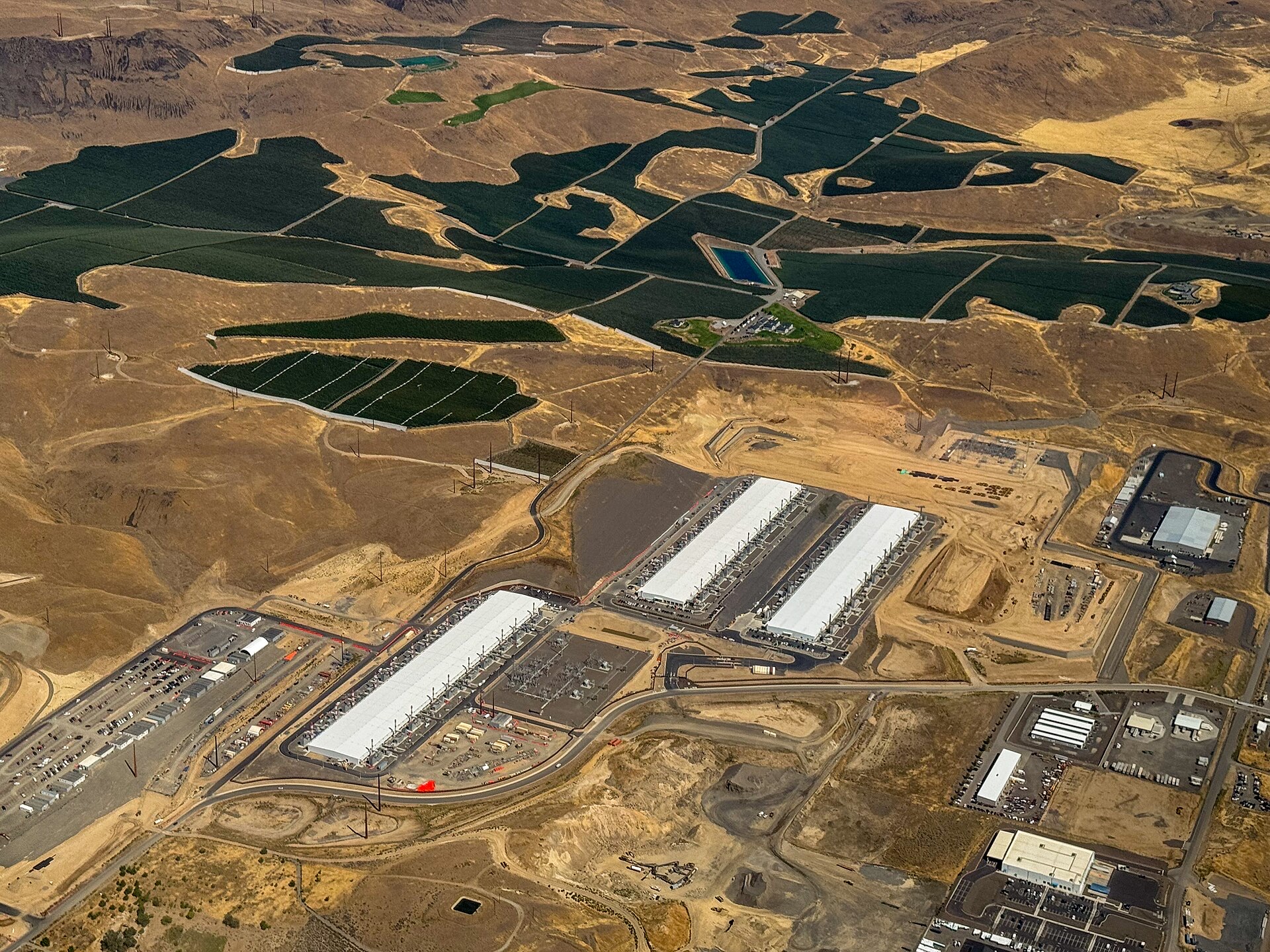
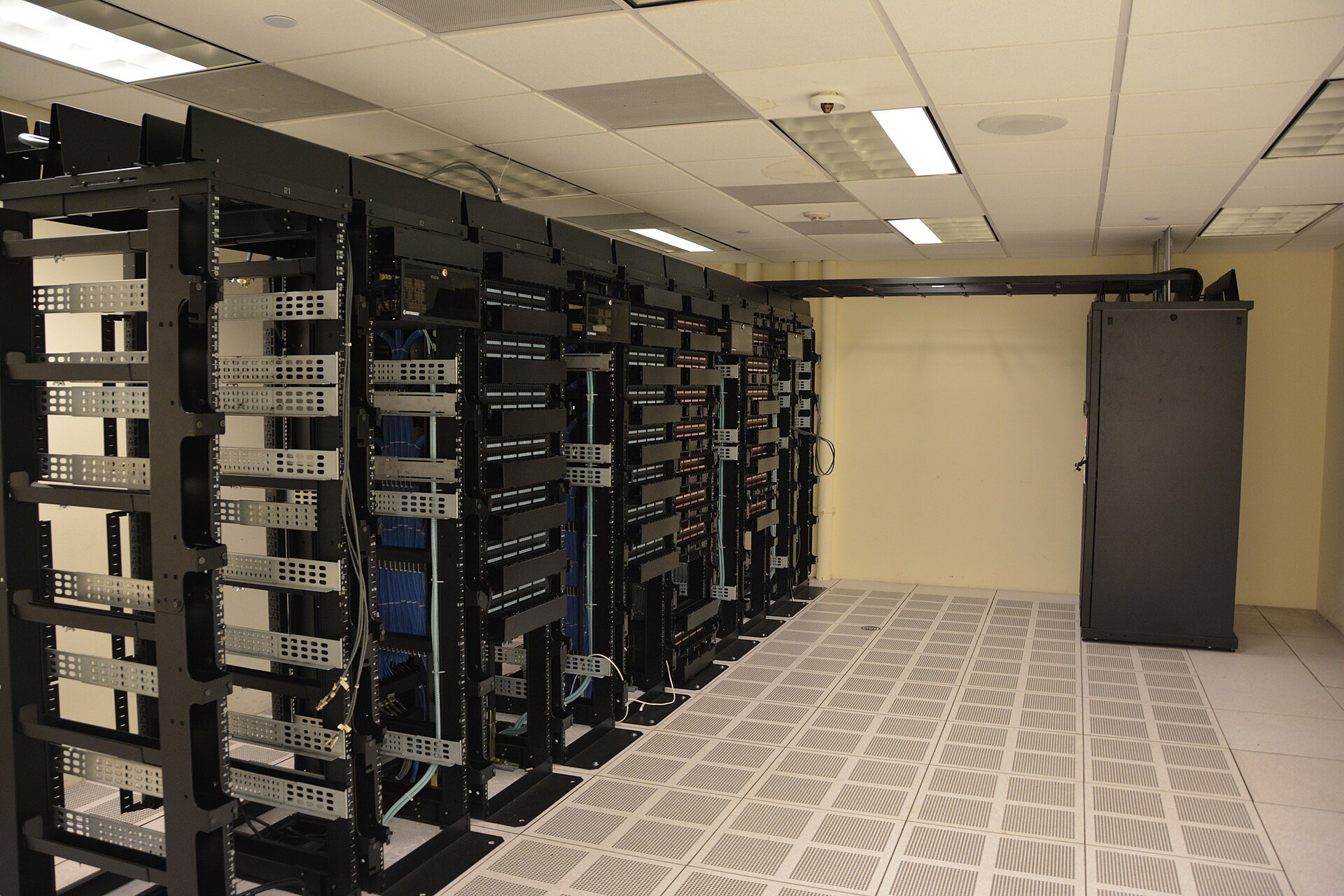
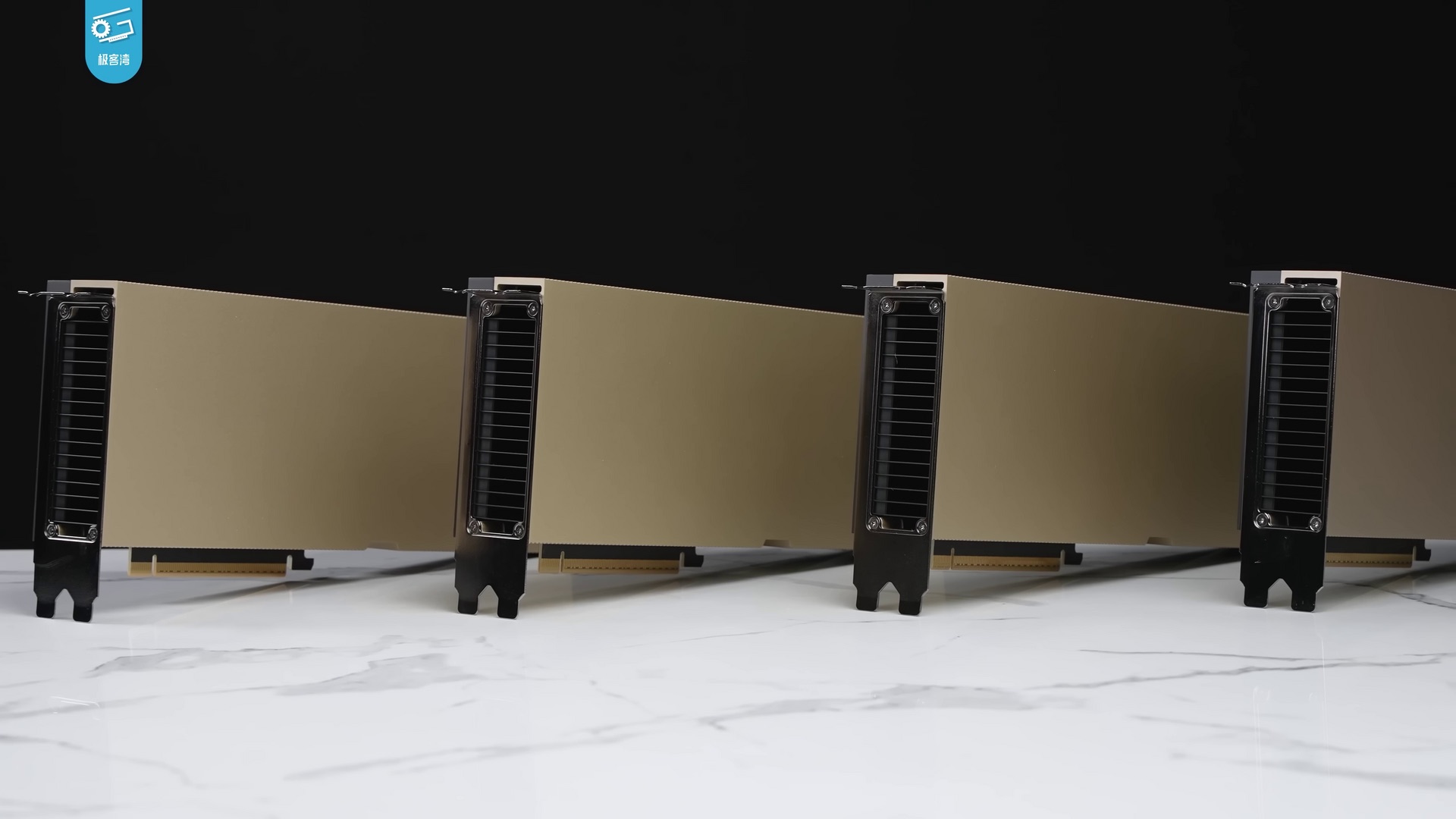
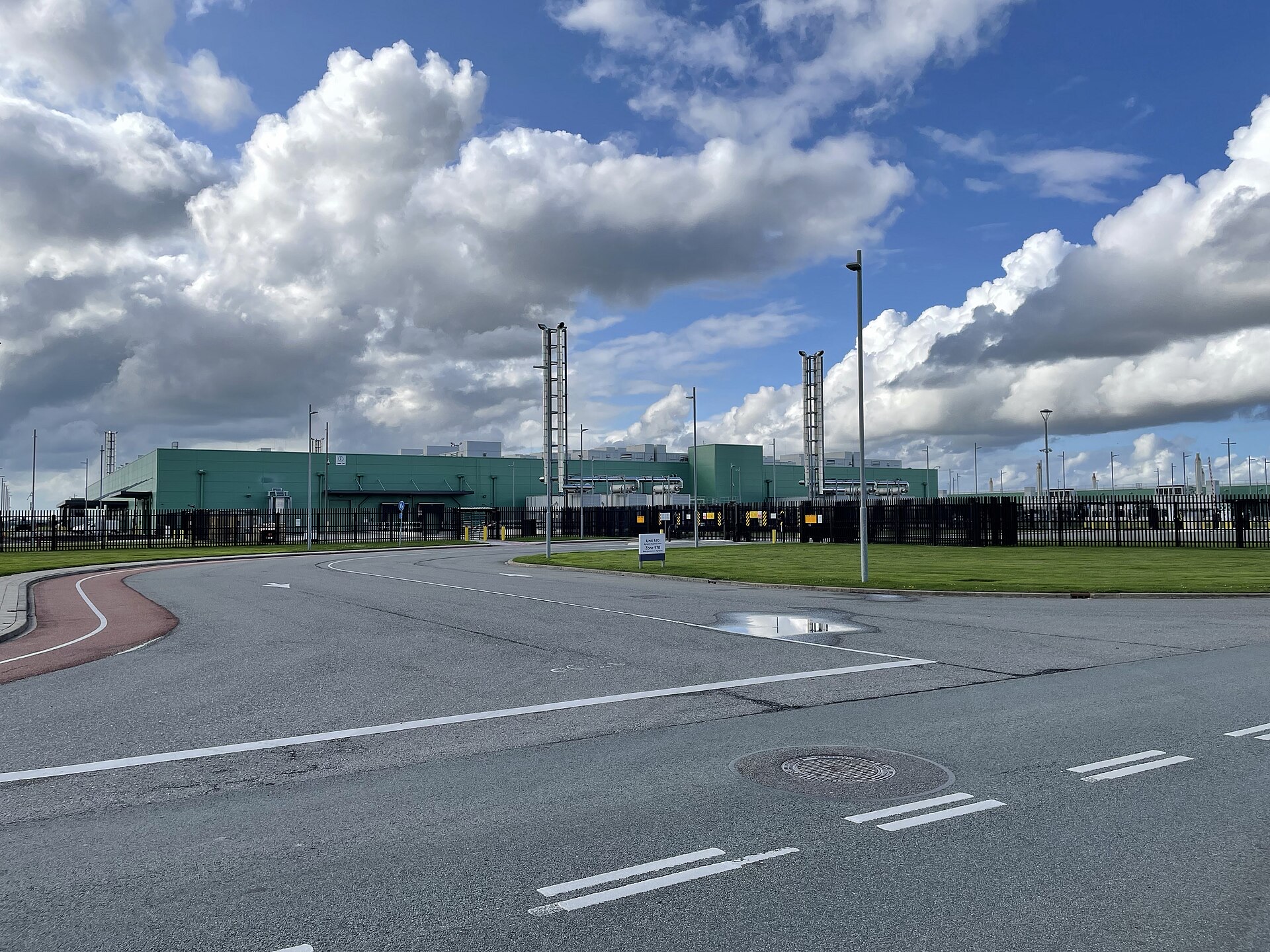
Four companies will spend about $730 billion on AI infrastructure this year. The chip sellers are booming. The labs, the lenders and the customers are still waiting to find out whether the money comes back.
This story is still unfolding. It is written from what was public up to 26 November 2026. As events move we publish a new version and mark what changed.
Add the Federal Reserve's 9 December decision
Add Oracle's and Broadcom's December results
Add the hyperscalers' first 2027 capital-spending plans
Add Nvidia's choice of a permanent chief executive
One week that showed both faces of the AI boom, and the simple question this story audits.
On 17 November Nvidia, the company whose chips run most of today's AI, reported sales of $115.8 billion for the quarter to 25 October 2026. That was 103% more than a year earlier, and it told investors to expect about $130 billion next quarter.
The figures were presented by an interim chief executive, . Five days earlier its co-founder, , had resigned with immediate effect. Nvidia's announcement gave no reason. It came four days after the board opened an inquiry into reports that Huang had been the target of a foreign intelligence effort.
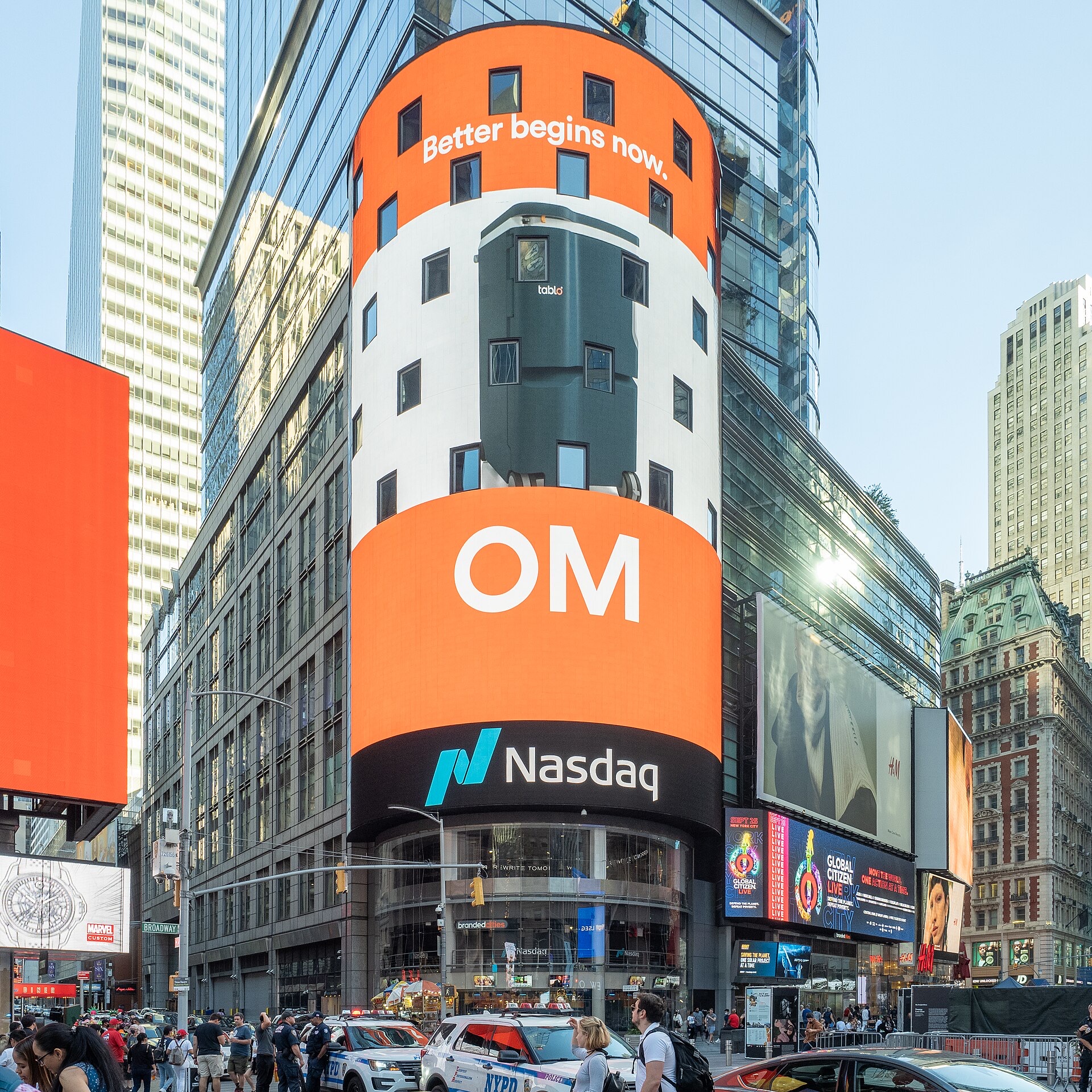
On 19 November Anthropic, the maker of the Claude AI models, began trading on Nasdaq. It had sold its shares at $83. The first trade was at $111.50. The next day the S&P 500 fell 3.7%, leaving it more than 10% below its October record. On 24 November Anthropic closed at $81.91, down 6.5% on the day and below its $83 issue price.
So in one week the chip maker reported sales that had doubled, and the newest AI stock slid. Both are true, and this story sets out to explain how.
✓Answered: What did November's shocks tell us?
The test is simple to state: is the money coming back faster than it goes in?
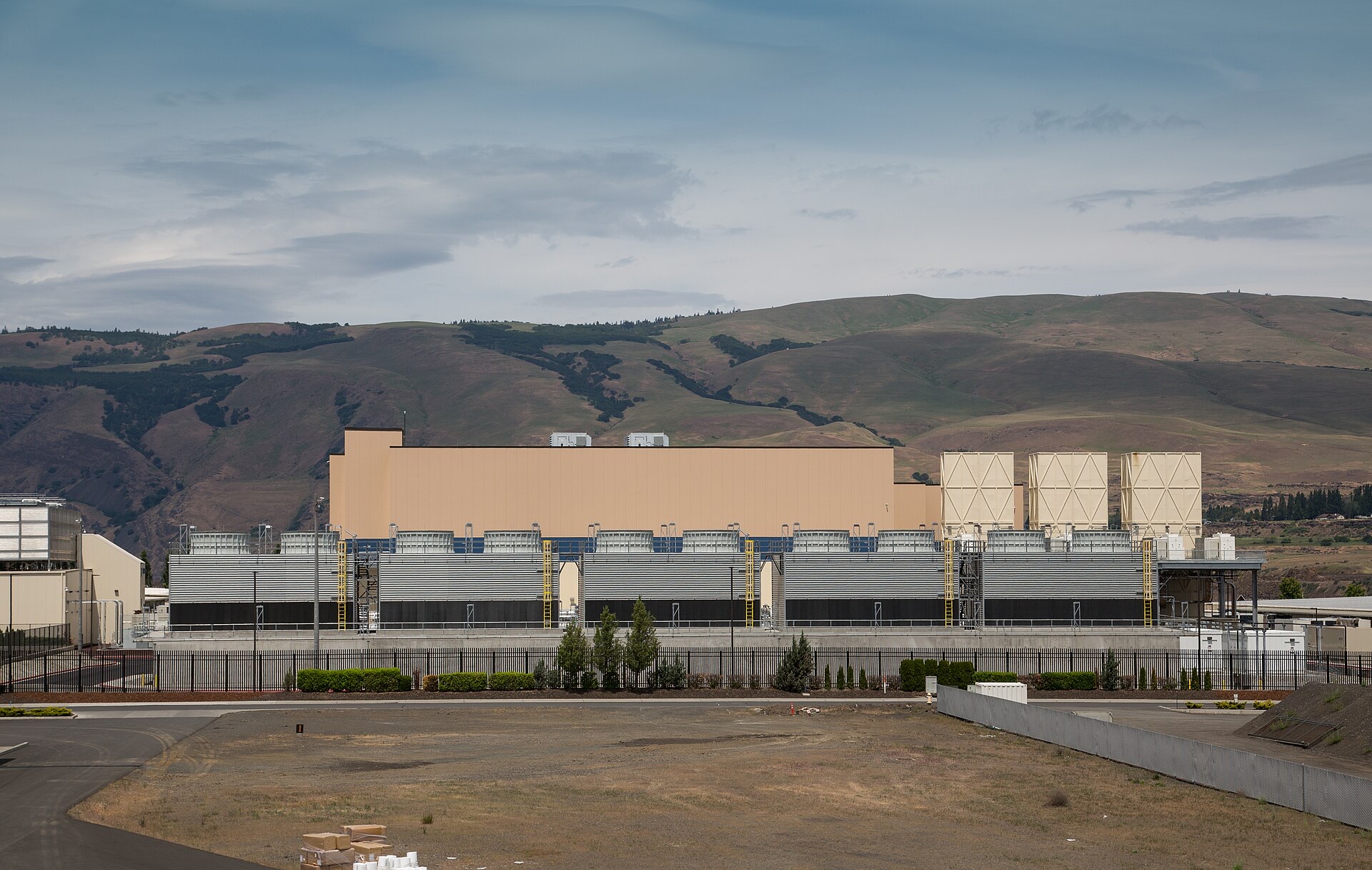
To judge whether AI is a boom or a bubble, follow the money both ways. Five kinds of company sit in one loop. The cloud giants, or , build the data centres. The chip makers sell them the chips. AI labs such as OpenAI and Anthropic rent the computing power. Smaller also rent out chips, often bought with borrowed money. Lenders fund a growing share of all of it.
How it fits together
One loop of money: who pays whom
Chip makersSell the chips · Nvidia's data-centre sales $107.6bn in one quarter
AMDBroadcom
↓ equity and credit support: Nvidia guarantees with up to $118bn maximum exposure; suppliers bought $26bn of Anthropic shares↑ chip orders and equipment leases (Anthropic–Broadcom ~$161bn)
AI labsRent the computing · run-rates ~$81bn (Anthropic) and ~$50bn (OpenAI)
↓ minimum-spend deals: Anthropic ≥$278bn with Amazon, Google, Microsoft↑ equity stakes and computing capacity
Clouds (hyperscalers)Build the data centres · ~$730bn of 2026 capex
AlphabetMetaOracle
LendersBond buyers, banks, private credit · ~$274bn of hyperscaler bonds in 2026 to late Sept
↓ leases and contracts: Microsoft ~67% of CoreWeave's 2025 revenue↑ rented chip capacity
Neoclouds and SPVsRent out chips bought with borrowed money
Nscale, LambdaMeta's Hyperion vehicle
Cash and chips flow down the diagram; commitments to pay flow back up. Lenders fund the clouds and neoclouds; the clouds' spending flows back up to the chip makers, closing the loop. Figures from company filings and reports, 2026.
Cash and chips flow down the diagram, and promises to pay flow back up. Each party keeps the same colour wherever it appears in this story, and lenders and neoclouds share a neutral grey.
Hold on to one number. The four biggest clouds expect to spend roughly $720 billion to $740 billion on in 2026. The rest of this story asks how much of it comes back, who carries the risk, and what would tell us which way it breaks.
✓Answered: How much money is going into AI, and where is it coming from?
How much is being spent, by whom, and where the cash now comes from.
Four companies will spend about $730 billion on chips and buildings this year, far more than in 2025.
Amazon says it expects 2026 cash capital spending of "approximately $220 billion". Alphabet set its range at $195 billion to $205 billion in July. On its October call, its finance chief said the range was unchanged. Meta narrowed its range to $135 billion to $145 billion. Microsoft's finance chief, , put its calendar-2026 spending at about $170 billion.
Added up, that is roughly $720 billion to $740 billion, or about $730 billion at the middle. For 2025, a tracker kept by the newsletter Value Add VC shows $131.8 billion for Amazon, $91.4 billion for Alphabet and $72.2 billion for Meta. The tracker gives no calendar-2025 figure for Microsoft, whose year ends in June. Every company counts slightly differently: some include leased equipment, some only cash paid.
Chart
Capital spending jumps in 2026
Amazon 2025132bn
Amazon 2026"approximately $220 billion"220bn
Alphabet 202591bn
Alphabet 2026range $195–205bn200bn
Microsoft 2026calendar year, "approximately"170bn
Meta 202572bn
Meta 2026range $135–145bn140bn
$ billions. 2025 from Value Add VC's tracker, which gives no calendar-2025 figure for Microsoft; 2026 is the latest company guidance (midpoint where a range is given). Definitions differ: Amazon's and Alphabet's 2025 figures are cash only; Meta and Microsoft include finance leases.
Microsoft's number fell from about $190 billion to about $175 billion in July because of an accounting change, not a cut. It now writes data centres off over 25 years rather than 15, and counts more leases outside capital spending. The bank UBS projected in August that hyperscalers would spend about $4.1 trillion over 2026 to 2028. That is UBS's projection, not a company plan.
The spending now outruns the cash most of these giants generate.
In the quarter to 30 September 2026, Alphabet spent $51.4 billion on property and equipment, and its was minus $9.1 billion. Meta's was minus $2.1 billion after $34.9 billion of capital spending. Over the twelve months to September, Amazon's free cash flow was an outflow of $42.4 billion. Oracle, the fifth big builder, was minus $5.4 billion in its quarter to 31 August.
Microsoft is the exception. On its earnings call it reported $18.6 billion of free cash flow, a non-GAAP measure, while paying $39.4 billion in cash for equipment.
By the numbers
Free cash flow, latest reported period
−$9.1bnAlphabet
−$2.1bnMeta
−$42.4bnAmazon, twelve months to September
−$5.4bnOracle, quarter to 31 August
+$18.6bnMicrosoft
Quarter to 30 September 2026 unless stated. Free cash flow = operating cash flow minus capital spending.
The difference is being borrowed or raised from shareholders. On 26 October Meta announced a share sale of up to $95 billion, its first new stock since 2013. About $35 billion of it has been launched so far.
✓Answered: How much of this is borrowed, and how much is hidden off the books?
The build-out is now big enough to move America's growth rate.
On 25 November the Bureau of Economic Analysis revised America's third-quarter growth up to an annual rate of 4.3%, from 3.4%. It said the revision was led by investment, "notably software".
Business investment outside housing grew at a 16.1% annual rate. Leaving aside the 2020 rebound, that is the fastest since 2011. Spending on information-processing equipment, mainly computers, grew at 41.7%, and software at 22.3%.
By the numbers
AI-era investment in America's third quarter
4.3%GDP growth, annual rate
41.7%Information-processing equipment
22.3%Software
~⅓Share of growth from the two (1.46 of 4.3 points)
Annual rates, quarter to September 2026, BEA second estimate of 25 November 2026. The contribution share is our arithmetic.
Together those two categories added about 1.5 percentage points to growth, roughly a third of the total by our arithmetic from the official figures. Not all of it is AI, and the statisticians do not split AI out. But no other part of the economy moved the number as much.
The AI labs have promised to buy far more computing than they can yet pay for.
Anthropic's final prospectus, filed on 19 November, lists about $900.9 billion of committed spending, "substantially all" of it on computing and infrastructure. About $451.6 billion of that falls due before the end of 2030. About $70.7 billion falls due within twelve months, and about $186.2 billion can be cancelled or depends on conditions. The total leaves out arrangements with no fixed dollar amount, which Anthropic estimates at a further $150 billion to $175 billion. The prospectus calls such commitments "substantial fixed obligations". Its named minimums include at least $110 billion with Amazon, about $121.3 billion with Google and $47.2 billion with Microsoft, plus about $161.2 billion of equipment leases with Broadcom.
What the commitments buy: AI chips, and the buildings that house them.
OpenAI is private and publishes no such table. The investor Tomasz Tunguz estimated in November 2025 that its commitments came to about $1.15 trillion over 2025 to 2035. The Financial Times reported an internal projection of about $278 billion of negative cash flow over 2026 to 2030.
Venture investors are paying too. By CB Insights' count, as reported, AI took $495.6 billion, or 71% of global venture funding, in the first nine months of 2026. Crunchbase put AI's share of third-quarter funding at 64%.
✓Answered: How big is the gap between spending and revenue, and can revenue catch up?
03The money coming back
Where AI already earns real money, and where the evidence is still thin.
The surest returns so far go to the companies selling the picks and shovels.
Nvidia's data-centre revenue was $107.6 billion in the quarter to 25 October 2026, up 110%. Its GAAP net income was $65.3 billion. Broadcom's AI chip sales were $16.7 billion in its quarter to 2 August, up 221%. AMD's data-centre sales were $8.5 billion in the quarter to 26 September, up 97%.
The cloud businesses that rent out this computing are growing fast too. In the quarter to 30 September, Google Cloud's revenue doubled to $30.7 billion. Amazon Web Services took $46.0 billion, up 39%. Microsoft's Azure grew 48%. Oracle's cloud infrastructure grew 121% to $7.4 billion in its quarter to 31 August.
These are reported sales, not forecasts. On this evidence AI is already a very large business for the sellers.
✓Answered: How much is AI actually earning, and who is earning it?
Set side by side, the spending still dwarfs what the AI labs earn.
Chart
Money in versus money back, per year
Big four cloud capex, 2026midpoint of $720–740bn guidance730bn
AWS revenue run-rateAmazon, Q3 2026184bn
Google Cloud, Q3 ×4123bn
Anthropic run-rate, 31 Octcompany metric81bn
OpenAI run-rate, end-Septas told to investors, per reports50bn
$ billions a year. Cloud spending is 2026 guidance. AWS is Amazon's stated run-rate; Google Cloud is the third quarter ×4 (our arithmetic). The labs' figures are run-rates, which are company metrics, not booked revenue, and are not like-for-like: Anthropic counts cloud-partner sales gross, and OpenAI's figure reportedly does not.
Against roughly $730 billion of cloud spending this year, Anthropic put its revenue at about $81 billion on 31 October. OpenAI told investors its run-rate was near $50 billion at the end of September. Together that is about $131 billion a year, though the two are not like-for-like. Anthropic books sales made through cloud partners at their full value, while OpenAI's figure reportedly leaves out that kind of sale.
A run-rate multiplies a recent month into a year. It flatters a fast-growing company and is not money already earned. Anthropic's is a company metric that has not been independently verified. Anthropic's booked revenue for the nine months to 30 September was $33.2 billion.
Run-Rate Revenue is not a substitute for revenue prepared in accordance with GAAP or a forecast of revenue.
— Anthropic, final prospectus, 19 November 2026
The comparison is rough. Buildings and chips last for years, the clouds sell to many customers besides the labs, and the labs are not the only buyers of AI. But it shows the scale of the gap. UBS projected that Amazon, Alphabet and Microsoft would spend about 102% of their cloud revenue on capital spending in 2026.
Anthropic's books, now public, show revenue soaring and operating income coming and going.
Anthropic's prospectus gives its unaudited quarterly revenue for 2026 as $4.73 billion, $11.56 billion and $16.96 billion. In all of 2025 it was $4.59 billion. Growth slowed from 144% quarter on quarter to 47%, by our arithmetic.
Chart
Anthropic's quarterly revenue
Q1 20250.38bn
Q2 20250.79bn
Q3 20251.38bn
Q4 20252.04bn
Q1 20264.73bn
Q2 2026GAAP operating income $974m; net loss $66.3bn11.56bn
Q3 2026GAAP operating loss $567m16.96bn
$ billions, recognised revenue by quarter, from the final prospectus (unaudited quarterly figures).
It reported GAAP operating income of $974 million in the second quarter, the only positive quarter of the seven shown. Its net loss that quarter was still $66.3 billion, mostly from non-cash changes in the value of convertible notes. In the third quarter it reported an operating loss of $567 million, which included a $1.96 billion non-cash charitable contribution. Excluding such items, its adjusted operating income was $2.46 billion. Its adjusted margin fell from 19% to 15%, which it put mainly down to $5.0 billion of short-term computing. It expects to buy more such computing in the near term, and says that will "compress our operating margin". Its net loss for the nine months was about $104 billion.
Computing and infrastructure cost 72%, 48% and 58% of revenue in the three quarters.
How the prospectus defines run-rate
Anthropic calculates run-rate as the last 28 days of usage fees multiplied by 13, plus monthly subscription fees multiplied by 12. It says the figure is an operating metric, not revenue, and it has not been independently verified.
OpenAI, still private, is growing too, but its numbers come second-hand.
OpenAI told investors its annualised revenue was about $50 billion at the end of September, with a target of "$70 billion or more" by the end of the year, according to reports. An earlier report of about $70 billion reportedly counted gross sales made through cloud partners.
Its last completed funding round, announced on 31 March 2026, raised $122 billion at an $852 billion valuation. The Financial Times reported an internal projection that revenue would grow from $36 billion in 2026 to $350 billion in 2030. That is OpenAI's own projection, not a result.
Its chief executive, , has said it will not list on the stock market in 2026. So the most-watched AI company's finances are known only through leaks and investor briefings.
The customers, though, have yet to show that AI pays.
In McKinsey's 2026 survey of 1,719 respondents, 80% said AI had improved their own productivity. But only 37% could point to any effect on operating profit, and about 6% got at least 5% of it from AI. In KPMG's mid-2026 survey of 2,145 leaders, only 7% reported an established return on investment.
By the numbers
Are the buyers getting a return?
37%report any profit (EBIT) effect · McKinsey 2026
~6%get ≥5% of profit from AI · McKinsey 2026
7%report established ROI · KPMG, Q2 2026
95%of pilots showed no measurable P&L impact · MIT, 2025
Surveys of companies using AI. The MIT figure is from a 2025 study.
Apollo's chief economist, , put it bluntly on 24 October: "Profit margins are rising for the Mag 7 but are flat for the S&P 493." Profits outside big tech are still growing, though. FactSet counted third-quarter earnings growth of 27.7% for those other 493 companies.
Prices are falling. In Ramp's November index, which tracks business card and bill spending, the average price per million fell 21% in a month, while total AI spending rose only 1.65%.
✓Answered: Are the companies buying AI getting their money back?
What October and November marked down, and what they left alone.
The first cracks showed in October, at the companies furthest from profit.
On 28 October Alphabet's shares fell more than 10% after hours, after it reported $51.4 billion of quarterly capital spending. Its finance chief, , said spending would "increase significantly" in 2027.
Around 31 October OpenAI reportedly cut the target for its new round to about $20 billion, from $30 billion. The reports, by the Financial Times, the Wall Street Journal and TechCrunch, blamed weak demand, including from Morgan Stanley's wealthy private clients. On 6 November Bloomberg reported an initial close of $11 billion at a $1.25 trillion valuation. On 12 November CNBC, citing sources, reported that OpenAI had raised $15 billion at that valuation. Both are reports, not company announcements, and neither says whether the valuation includes the new money.
On 2 November the Nasdaq 100 closed 10.4% below its 6 October record, its third correction of 2026. The same day Oracle sold $20 billion of shares and bonds, paying interest of between 7% and 8.65% on the bonds. Days earlier it had said it would raise no more than $20 billion through fiscal 2030.
November brought an election, a resignation and a correction.
Anthropic listsOpens at $111.50 against an $83 issue price.
20 Nov – 25 Nov
S&P 500 in correction−3.7% to 6,910 in an AI sell-off; Nvidia −13.8%.
Anthropic below issue priceCloses at $81.91.
Partial reboundS&P 500 at 7,183, about 8% below its record.
On 5 November, after the midterm elections, the S&P 500 fell 4.4%. Nvidia lost 9.3% and AMD 17.3%. The Associated Press cited fears that newly elected Democrats would pause data-centre building, along with high borrowing costs. Voters backed restrictions in 40 of 41 local data-centre ballot measures, Al Jazeera reported.
On 12 November Huang resigned as Nvidia's chief executive and left its board, with immediate effect.
On 20 November the S&P 500 fell 3.7% to 6,910, more than 10% below its record. The Associated Press put it down to a bruising sell-off in AI stocks. Reuters reported that Nvidia fell 13.8%, and Anthropic 9.1% on its second day of trading. It said the listing and Nvidia's results had failed to dispel fears about AI and the money being spent on it. By 25 November it had recovered to 7,183, about 8% below the record.
Nvidia has not said why Huang left, but the record before his exit shows an inquiry and an apology.
Nvidia's announcement of 12 November named Kress interim chief executive and gave no reason for the change. Four days earlier its board had said that a committee of independent directors, working with outside lawyers, would investigate reports that Huang had been the target of a foreign intelligence effort.
Those reports came from The New York Times and the Financial Times. They said US intelligence agencies believed a former executive of the cloud company Megaspeed had been passing information to Beijing. Nvidia has not confirmed them, and China's foreign ministry called the allegation "unsubstantiated". Huang had said his dealings with the former executive were "completely normal".
The Board has no reason to believe that either national security or NVIDIA secrets were compromised.
— Nvidia's board of directors, statement of 8 November 2026
The same day Huang wrote to staff: "I was unfaithful to my wife. My actions hurt her and our children." He said he supported the review and would cooperate with it. On 11 November The Wall Street Journal reported that the board was preparing to meet to decide his future.
Reuters reported that Huang stepped down "after revelations of two extramarital affairs". That the board was weighing his removal rests on the Journal's reporting, which Nvidia has not addressed; Reuters said the company had not commented beyond its announcement.
Anthropic's listing was the biggest test yet of appetite for AI shares, and the answer was mixed.
Anthropic priced its shares at $83 on 18 November, above its planned range of $70 to $78. The offering sold 980 million shares for about $81.3 billion. About 956 million of them were new shares from Anthropic, worth about $79.4 billion before fees, and existing shareholders sold the rest. Anthropic also sold $26.0 billion of shares at the same price to Google, Nvidia, AMD, Broadcom, Micron, Microsoft and TSMC, putting its net proceeds at about $104.8 billion.
By the numbers
Anthropic's first week as a listed company
$83.00Issue price, 18 Nov
$111.50First trade, 19 Nov (+34%)
$97.17First-day close
$81.91Close, 24 Nov: below issue
Price per share, Nasdaq: ANT.
Valuations depend on which shares are counted. At the $83 issue price, CNBC put Anthropic at about $1.5 trillion on a fully diluted basis, which includes options and similar rights. Yahoo Finance said it was valued at north of $2 trillion at the opening price, and later put its market value at about $1.09 trillion, which counts only shares outstanding. Because the counts differ, the gap between $1.5 trillion and $1.09 trillion does not measure how far the price fell.
CNBC reported that about half the institutions that put in orders got no shares. A column on CNBC's Investing Club argued that the slump could complicate OpenAI's path to a listing. Its chief executive is .
Analysts who began covering the stock were largely positive, CNBC reported. Canaccord Genuity, with a buy rating, called Anthropic "one of the most important enterprise technology franchises of the AI era". It added: "The risks are unusually large, particularly around infrastructure commitments."
Yet the markdowns were selective, and the bond market moved before the stock market.
Before its results, the bonds of CoreWeave, the biggest neocloud, yielded more than 16%. On 10 November it reported revenue of $3.66 billion, up 168%, and a backlog of about $132.5 billion. It also reported a net loss of $709 million and $846 million of net interest costs. Operating profit covered that interest about 0.24 times, by our arithmetic. The shares still jumped nearly 25% the next day.
Its chief executive, , said: "we will not use the unsecured debt market to fund our business at current yields, nor do we need to."
Private markets moved less. The chip start-up Groq raised money at $3.5 billion in August, against $6.9 billion in 2025, though it disputes calling that a . Carta counted down rounds at 13% of venture rounds in the third quarter.
05Five signs of a bubble
The warning lights that regulators and investors point to, and how bright each one is.
Sign one: much of the money goes round in a circle.
Fourteen publicly disclosed transactions since 2023 account for approximately $300 billion of aggregate equity investments led by hyperscalers in financially weaker AI firms, supplemented by $650 billion in debt, in exchange for $1.4 trillion in future revenue commitments.
— IMF, Global Financial Stability Report, October 2026
The IMF calls this "wrong-way risk". The investments lose value "precisely when future revenue streams tied to them are impaired". In plain terms, the suppliers have lent to and invested in their own customers. If a customer fails, the supplier loses both the sale and the stake.
November's deals fit the pattern. Anthropic's $26 billion private placement was bought by companies it buys from, including Google, Nvidia, Broadcom and Microsoft. OpenAI's round in February worked the same way. Amazon committed $50 billion and Nvidia $30 billion, and OpenAI agreed to use Nvidia's next systems and to add $100 billion to its Amazon cloud contract. Nvidia's guarantees carry a maximum potential exposure of $118 billion at 25 October, up from $108.5 billion a quarter earlier. That includes up to $105 billion of credit support for SB Energy's campus in Ohio, which will host Nvidia systems leased to OpenAI. The guarantees phase in from fiscal 2029, and Nvidia says it has paid nothing out.
Side by side
Money in, commitments back
Money going in
Commitments coming back
14 public AI deals since 2023 (IMF)
~$300bn equity + $650bn debt
$1.4tn of future revenue commitments
Anthropic, November 2026
$26bn of shares bought by Google, Nvidia, AMD, Broadcom, Micron, Microsoft, TSMC
Up to $105bn of Nvidia credit support for SB Energy's Ohio campus
Nvidia systems on the campus to be leased to OpenAI
Meta's share sale
Up to $5bn of indicated interest from Nvidia, AMD and Broadcom
Meta's chip and equipment purchases
Selected circular arrangements. Each investor or guarantor is also a supplier to the company it backs.
Where the phrase "triple whammy" comes from
Many reports say the IMF warned of a "triple whammy": falling equity values, debt that is hard to service and commitments that are not honoured, all at once. The phrase is not in the report itself. The Next Web, citing CNBC, attributes it to an IMF official speaking at the report's launch on 13 October.
✓Answered: Is the same money just going round in a circle?
Sign two: cash is giving way to debt.
The big hyperscalers sold an average of about $28 billion of bonds a year from 2020 to 2024, and $121 billion in 2025, according to Bank of America. Marcus Today, an investment research service, counts $274 billion of investment-grade bonds in 2026 to late September. The two counts differ in scope, so they are not strictly comparable. Goldman Sachs forecasts about $420 billion in 2027. Goldman also says debt is funding about a third of hyperscaler capital spending this year.
Chart
Hyperscaler bond sales, $ billions a year
2020–24 averageBank of America28bn
2025Bank of America; other counts $108–130bn121bn
2026 to late SeptemberMarcus Today274bn
2027 projectionGoldman Sachs; forecasts range ~$400–440bn420bn
Bank of America counts all US corporate bonds of the big five; Marcus Today counts investment-grade bonds only, so the series are not strictly comparable. 2027 is a projection.
Further down the chain the borrowing is riskier. About $80 billion of US data-centre bonds were sold by mid-October, about $37 billion of them , compared with $8.6 billion of junk in all of 2025. The cost of insuring Oracle's debt against default, its , was about 3.05% a year in early November, up from 0.58% a year earlier.
The strongest names can still borrow easily. Microsoft's $25 billion bond on 29 October drew $115 billion of orders. Its ten-year notes were priced to yield 5.595%, only 0.65 percentage points above US Treasury debt.
Sign three: a large share of the obligations sits off the balance sheet.
At the end of 2025 the five hyperscalers had $969 billion of future lease payments, Moody's found. Of that, $662 billion was for leases that had not yet started. Those payments do not show up as debt. Marcus Today estimates the total at about $1.2 trillion by July 2026, with more than $820 billion for data centres not yet built.
Some of it is held in separate companies, . Meta's Hyperion and El Paso vehicles carry $27.3 billion and $12.5 billion. They are rated A+ because Meta guarantees what the sites will be worth. Oracle has $288 billion of leases signed but not started, on top of about $125 billion of debt.
Nvidia guarantees, maximum exposureat 25 Oct 2026; phase in from FY2029118bn
Meta vehicles: Hyperion + El Paso$27.3bn + $12.5bn39.8bn
Lease commitments, guarantees and vehicles that rating agencies do not count as debt. The items overlap and should not be added up.
Lenders now assume chips used as collateral last three to four years, while Nvidia argues up to ten. claimed in 2025 that big tech would understate by $176 billion over 2026 to 2028. Fortune found that the filings support the direction of his claim but do not confirm the figures.
Sign four: a few customers carry much of the weight.
Microsoft supplied about 67% of CoreWeave's revenue in 2025. Anthropic's five largest customers supplied about 25% of its revenue in the first nine months of 2026. Oracle's backlog of future contracted revenue is $664 billion. The Wall Street Journal reported in September 2025 that OpenAI had agreed to buy about $300 billion of computing from Oracle over roughly five years, starting in 2027. Neither company confirmed the figure at the time. If it holds, that one customer accounts for about 45% of Oracle's backlog, by our arithmetic.
In the stock market, the seven largest US tech companies make up more than 35% of the S&P 500's value, according to Admirals. The Federal Reserve's October minutes noted that "AI-related exposures were becoming increasingly concentrated among a small number of firms."
And the labs at the centre are not yet paying their own way. OpenAI's projection shows years of negative cash flow. Anthropic's cash came mostly from investors. At 30 September, before its listing, it held $95.6 billion of cash and $36.3 billion of short-term investments.
✓Answered: If it breaks, how would it break, who would get hurt, and what should we watch?
Sign five: valuations sit near 1999 levels, and the warnings are now official.
The , which compares share prices with ten years of past profits, stood at 41.62 for the S&P 500 on 8 October. The December 1999 peak was 44.19.
The IMF's October report named a fall in AI-related asset prices, "exacerbated by rising leverage, concentrated exposures, and circular financing arrangements", first among three salient risks. The Bank of England's September record warned that "the risk of a sharper correction persists". Staff at the US Federal Reserve flagged "off-balance-sheet leasing commitments and circular financing arrangements among AI-related firms".
Private voices went further. Bloomberg reported on 7 October that Ray Dalio warned the AI bubble was approaching its bursting point. A report from the Open Markets Institute and Americans for Financial Reform urged that "under no circumstances" should failing AI firms receive government support.
The question now may be whether the current stock boom ends with a bang or a whimper.Joachim Klement, investment strategist, 18 November 2026
Why serious investors see a costly boom rather than a bubble.
But the biggest spenders are among the most profitable companies in history, and they still have cash.
Nvidia's GAAP net income was $65.3 billion in a single quarter. Microsoft reported $18.6 billion of free cash flow, a non-GAAP measure, and its finance chief said, "we expect to remain free cash flow positive in FY27." Even after its negative quarter, Alphabet's free cash flow over twelve months was $19.7 billion, and it held $265.1 billion of cash and securities.
By Marcus Today's assessment, Microsoft, Alphabet, Amazon, Meta, Nvidia, TSMC and the big memory makers "hold net cash or close to it".
That is the sharpest contrast with 2000. Then, telecom companies invested more than $500 billion, mostly with borrowed money. When the bubble burst, their bond investors got back just over 20 cents on the dollar.
✓Answered: What is the strongest case that this is not a bubble?
Measured against next year's earnings, shares are the cheapest they have been in three years.
FactSet put the S&P 500's at 17.7 on 5 November. That is the lowest in more than three years and below the five-year average of 19.8. FactSet said "the increase in the 'E' has been the main driver", meaning profits rose rather than prices falling.
So the two gauges disagree. CAPE looks at ten years of past profits and says shares are close to 1999 levels. The forward ratio looks at the next twelve months' expected profits and says they are cheaper than usual. When profits grow very fast, the two point in opposite directions. The open question is whether that growth lasts.
Demand still exceeds supply: the backlogs are bigger than the spending.
Microsoft's commercial rose 73% to $677 billion at 30 September. Oracle's total backlog reached $664 billion at 31 August, and it signed more than $30 billion of new AI cloud contracts in one quarter. Google Cloud's backlog was $561 billion in the third quarter, and Alphabet expects just over 55% of it to become revenue within 24 months. CoreWeave's stands at about $132.5 billion.
Amazon's chief executive, , projected AWS revenue growth of "over 40% both in 2027 and in 2028". That is a forecast. Nvidia guided to $130 billion next quarter even assuming no data-centre sales to China.
Compared with 2000, today's builders are richer, but the valuation gauges look alike.
Side by side
2000 and 2026, side by side
Dot-com, 1996–2002
AI, 2026
The build-out
>$500bn by telecoms over five years
~$730bn by four clouds in 2026 alone
How it was paid for
Mostly debt
Mostly cash flow; debt about a third (Goldman)
The builders' balance sheets
Heavily indebted
Big four hold net cash or close to it; neoclouds and Oracle indebted
Valuation (CAPE)
44.19 at the Dec 1999 peak
41.62 on 8 Oct 2026
What came next
Nasdaq −78% by Oct 2002; Cisco −80%; bondholders recovered just over 20%
Unknown
Where no comparable figure was found, the cell says so.
In 2000 the Nasdaq peaked at 5,048.62 on 10 March and fell 78% by October 2002. Cisco, the chip-and-network champion of its day, lost 80% of its value.
Bulls point to who carries the cost: profitable giants with cash, rather than indebted start-ups. Bears point to what looks the same: valuations on long-run profits, a market leaning on a few names, and suppliers financing customers.
07If it breaks
How a fall would spread, who would carry the losses, and the competing readings of where this ends.
Both sides look at the same numbers and stress different ones.
DisputedBubble or boom?Is the AI build-out a bubble?
It's a bubble
Long-run valuations are near 1999 levels. Suppliers fund their own customers, with $1.4 trillion of commitments flowing back. Debt and off-balance-sheet leases are climbing, and only a minority of buyers can show a profit from AI.
It's a costly boom
The spenders are among the most profitable firms ever and mostly hold net cash. On next year's earnings, shares are the cheapest in three years. Sellers' sales double year on year and the backlogs run to hundreds of billions.
Where it stands: Unsettled. The sellers' returns are proven; the buyers' returns, and the labs' ability to pay their commitments, are not yet.
Neither side disputes the figures. They disagree about which ones matter: the sellers' profits today, or the buyers' and labs' ability to pay tomorrow.
A fall would travel through debt, not just through share prices.
The IMF says about $320 billion of the $650 billion of debt in those circular deals sits with the weaker firms receiving the money, including guaranteed and off-balance-sheet debt. By 16 November, CNBC reported, IMF estimates put circular financing among AI companies at a little over $1 trillion, about two-thirds of it funded by debt. Since 2024, hyperscalers' share of global investment-grade bond sales has risen from under 1% to 10%.
The Bank of England expects AI-related debt issued in 2026 to exceed that of countries such as the UK. Morgan Stanley estimates a $1.5 trillion gap in data-centre funding through 2028, of which private lenders may fill about $800 billion.
In an IMF scenario, an unwinding of AI investment cuts world output by as much as 0.4% by 2028. That is a scenario, not a forecast. The IMF managing director, , wrote that in a severe case "the losses could spread around the world."
Lenders and shareholders would lose first, and politicians are already being asked about bailouts.
Marcus Today names the bond fund Pimco as the largest single buyer, with about $18 billion of Meta's Hyperion bonds and about $10 billion of Oracle's Michigan bonds. It cites the Bank for International Settlements putting private loans to AI firms above $200 billion. The IMF notes that single-stock funds have grown from 16% to 28% of leveraged exchange-traded funds.
In Washington, Representatives Casar and Waters introduced a resolution opposing any AI bailout on 29 October. At the Federal Reserve, chaired by , "many participants viewed the AI buildout as a material source of inflation risk". Two policymakers voted for a rate rise in October. The next decision is due on 9 December. By 20 November markets were pricing a near-certain rise at that meeting, Reuters reported. On 16 November Warsh himself sketched a case in which the technology disappoints and "equity valuations could fall, leading to an economic slowdown and a more notable rise in unemployment." He called it an illustrative scenario, not a forecast.
Higher rates would raise the cost of every borrowed dollar in the chain. That is why the bond market and the Fed matter as much as the next chip.
Five readings of where this ends, and the case against each.
Readings
Five readings of where this ends
1Argued
A classic bubble
The caseValuations on long-run profits are near the 1999 peak, money circulates between suppliers and customers, and well-known investors such as Ray Dalio have warned of a burst.
The counterOn next year's expected earnings the S&P 500 is cheaper than its five-year average, because profits are rising fast.
2Our reading
A useful overbuild
The caseAs with railways and fibre, the infrastructure may outlast the investors who paid for it: telecom bondholders recovered just over 20% after 2000, but the networks stayed.
The counterChips wear out far faster than fibre: lenders assume three to four years, so less useful capacity would be left behind.
3Argued
A rational boom paid from profits
The caseSellers' sales double year on year, the clouds grow 39% to 121%, and backlogs exceed the spending.
The counterOnly about a third of AI buyers see any profit effect, token prices are falling fast, and the labs still burn cash.
4Our reading
A shakeout at the edges
The caseThe markdowns so far hit indebted neoclouds, Oracle and private rounds, while the cash-rich giants keep spending.
The counterThe IMF's "wrong-way risk": the edges are tied to the centre through guarantees and commitments, such as Nvidia's guarantees, with up to $118bn of maximum exposure.
5Argued
Rates and politics decide it
The caseFed officials see AI as an inflation risk and two voted to raise rates; voters backed data-centre limits in 40 of 41 local ballot measures; Wood Mackenzie says local bans touch 18% of tracked sites.
The counterSemiAnalysis estimates only about 2.3 gigawatts is actually delayed, and the Senate advanced a permitting bill 73–25.
Arguments made by investors, officials or this author. None is established.
08What to watch
The signals and dates that will show which reading is right.
A handful of signals would show the air coming out, and a handful would show the boom holding.
Signs it is deflating:
Wider yields on bonds backed by Microsoft, Google or Meta leases, not only CoreWeave's and Oracle's. That would mean lenders doubt AI demand itself.
A hyperscaler cutting its capital-spending guidance. None did in the latest round of results.
Anthropic trading well below its $83 issue price, or OpenAI's round closing below $1.25 trillion.
Ramp's data showing flat token spending while prices keep falling.
Another neocloud's bonds trading at distressed yields.
Signs the boom holds:
Nvidia meeting its $130 billion guidance.
Anthropic's and OpenAI's revenue growth speeding up again after the third-quarter slowdown.
Free cash flow turning positive again at Alphabet and Meta.
Profit margins rising outside the seven tech giants, the first sign that buyers, not just sellers, are earning a return.
The next few months will test the boom, and these are the dates to watch.
Timeline
Dates to watch
8–9 Dec 2026 – Late Jan–Feb 2027
Fed decisionMarkets priced a rate rise at roughly 80–88% around the October meeting.
Oracle and Broadcom resultsOracle's first since its $20bn raise; Broadcom guided AI sales to $21.7bn. Dates not yet confirmed.
Anthropic–SpaceXAI contractsAfter the initial periods end, either side can cancel on 90 days' notice.
Hyperscalers' 2027 plansAlphabet promised more detail on 2027 spending on its fourth-quarter call.
OpenAI listing?Its finance chief reportedly told staff "2027 or sooner".
Nvidia's guarantees beginThe first lease guarantees take effect when buildings are ready.
Everyone agrees the money going in is enormous and real, and so are the sellers' profits. The open question is the money coming back from the buyers of AI. Until it shows up in ordinary companies' profits, the boom rests on promises: the labs' promises to pay the clouds, and the clouds' promises to pay their lenders.
Which promises are kept will settle whether 2026 is remembered as a boom or a bubble. What would you want to see before deciding?
You made it
What you now know
The 10 questions this story set out to answer, in one line each.
How much money is going into AI, and where is it coming from?
The four biggest clouds guide to about $720–740 billion of 2026 capital spending, nearly double 2025; cash flow pays most of it, but bonds, share sales and venture money (about $495 billion to AI in nine months) fill a growing gap.
How much is AI actually earning, and who is earning it?
The sellers earn most: Nvidia made $65.3 billion in one quarter and the clouds' AI businesses grow 39–121%. The two leading labs run at about $131 billion a year combined, and Anthropic booked $17 billion in its third quarter.
How big is the gap between spending and revenue, and can revenue catch up?
Roughly $730 billion of 2026 cloud spending against about $131 billion of lab run-rate; the labs' growth is fast but slowing, and their commitments (about $900 billion at Anthropic) run years ahead of revenue.
Are the companies buying AI getting their money back?
Mostly not yet: 37% report any profit effect and about 6% a large one (McKinsey); 7% report established ROI (KPMG); margins are rising only at the tech giants.
Partly. The IMF counts $300 billion of equity and $650 billion of debt into AI firms in exchange for $1.4 trillion of commitments back, and November's deals, such as suppliers buying Anthropic shares and Nvidia's guarantees of up to $118 billion, fit the pattern.
How much of this is borrowed, and how much is hidden off the books?
Hyperscaler bond sales went from about $28 billion a year to about $274 billion in 2026 by September; lease commitments not counted as debt run to roughly $1 trillion or more, and risky data-centre debt is growing fastest.
That markets now discriminate: Nvidia's sales kept doubling and CoreWeave rose on results, but OpenAI cut its round, Anthropic fell below its issue price, and the S&P 500 entered a correction on 20 November.
In valuation and concentration it rhymes: CAPE is 41.6 against 44.2 in 1999. But today's main builders are profitable and mostly cash-funded, while the 2000 telecom build was mostly debt.
What is the strongest case that this is not a bubble?
The spenders are hugely profitable and hold net cash; on next year's earnings shares are the cheapest in three years; demand outruns supply and backlogs exceed the spending.
If it breaks, how would it break, who would get hurt, and what should we watch?
Through debt and broken commitments as much as share prices: lenders, private credit and leveraged funds first. Watch strong-name bond yields, any capex cut, Anthropic's price against $83, token spending, and the Fed on 9 December.
What this story could not settle, and why. Each item is something not known yet, a claim we couldn't confirm, something nobody publishes, or something we checked and left out.
Claimed, not confirmedNo official figureLeft out
Not known yet 4 things can't be known until they happen. They're in What to watch next, just below; the story updates when they land.
Claimed, not confirmedattributed in the text and marked unconfirmed
The IMF's "triple whammy" warning
Many reports attribute the phrase to the IMF, but it is not in the IMF's October report. The Next Web, citing CNBC, attributes it to an IMF official at the report's launch; we could not find the CNBC original or a transcript of the official's words.
What we could confirm: The report itself puts a fall in AI-related asset prices, worsened by leverage, concentrated exposures and circular financing, first among three salient risks.
Reports that Huang was the target of a foreign intelligence effort
The New York Times and the Financial Times reported that US intelligence agencies believed a former Megaspeed executive had been passing information to Beijing. Nvidia has not confirmed the reports, China's foreign ministry called the allegation "unsubstantiated", and Huang called his dealings with the former executive "completely normal".
What we could confirm: On 8 November Nvidia's board said independent directors would investigate the reports, and that it had no reason to believe national security or Nvidia secrets were compromised.
This is Anthropic's own metric, stated in its prospectus, and has not been independently verified. A run-rate multiplies a recent month into a year and is not revenue already earned; this story was written by an Anthropic model, so we flag it.
What we could confirm: Anthropic's booked revenue for the nine months to 30 September was $33.2 billion, per the prospectus.
OpenAI is private. Its run-rate of about $50 billion and the $11 billion and $15 billion reported raised at $1.25 trillion come from press reports of what it told investors, not from filings or company announcements.
What we could confirm: Its last completed round, announced on 31 March 2026, raised $122 billion at an $852 billion valuation.
Whether OpenAI's $1.25 trillion valuation includes the new money
Neither the Bloomberg nor the CNBC report says whether the valuation is measured before or after the new investment, and OpenAI has not announced the round.
We found no named AI start-up taking a down round or a published markdown in November. Private valuations reset only at new rounds or in quarterly fund reports, and Carta's fourth-quarter data will not appear until 2027.
What we could confirm: Groq raised money at $3.5 billion in August, against $6.9 billion in 2025, and Carta counted down rounds at 13% of venture rounds in the third quarter.
Seed figures on SpaceX's sales to Anthropic, memory prices and GPU rents
No source gives Anthropic's share of SpaceX's sales, so the claimed 33% stays out; SpaceX's results coverage names Anthropic only as a computing customer. Memory prices up 350% and GPU rents 9–143% above depreciation did not match any forecast or index we found, which show smaller rises or different measures.
Quotes attributed to Jon Gray, Barclays and Kevin Warsh
None could be matched to a source. The Gray remarks we found cover leasing growth, not rents up 50%; Barclays' notes are known only through write-ups, none with the quoted words; and Warsh's "more discerning" appears in no Warsh text we found.
What we could confirm: Warsh's own 16 November remarks, including a scenario in which equity valuations fall, are in the story.
"95% dark fibre" and a $326 billion tally of Big Tech fundraising
The 2001 claim that 95% of fibre lay unlit was contested at the time: a 2002 report cited a Merrill Lynch study putting lit carrier fibre at 35%. Axios's $326 billion for the five biggest builders' 2026 stock and bond sales could not be read, and we found no other outlet carrying it.
What we could confirm: Bank of America's and Marcus Today's counts of hyperscaler bond sales are in the story.
When any of these closes, we publish a new version and mark exactly what changed.
What to watch next
Federal Reserve rate decision
A rate rise would raise the cost of the debt now funding the build-out.
Oracle's and Broadcom's quarterly results
Oracle is the most indebted big builder; Broadcom guided AI sales to $21.7bn.
Anthropic's share price against its $83 issue price
The first public test of demand for AI-lab equity at scale.
Bond yields on projects leased to Microsoft, Google or Meta
Widening would mean lenders doubt AI demand itself, not just one tenant.
Hyperscalers' first 2027 capital-spending plans
No hyperscaler has cut guidance yet; a cut would be the clearest sign of retreat.
Was this worth your time?
Tell us, and see what other readers said.
Follow this story
Get an email when this story changes. Nothing else.
How this story was made
Carefully crafted by people and AI. AI agents search widely, read the sources and draft the story; a person chooses the subject, shapes and edits it, and decides when it's ready to publish. Every source is listed below, with what was read in full and what we couldn't settle.
Where the figures come from. Facts are as of 26 November 2026; markets last traded on 25 November. Spending, revenue and cash-flow figures come from company earnings releases, call transcripts and SEC filings, including Anthropic's final prospectus of 19 November, Nvidia's 8-K of 12 November and Microsoft's bond term sheet, and from official statistics from the BEA, the Federal Reserve, the IMF and the Bank of England. Each has its period stated.
How sources were read. OpenAI is private, so its figures are reported, not filed, and projections and run-rates are labelled. Some figures were read only in search excerpts, or through secondary compilations such as Marcus Today and Admirals, and are marked that way in the source list.
What we couldn't confirm. We left out seed claims that no source supports: SpaceX's share of sales to Anthropic, the memory-price and GPU-rental figures, the Jon Gray, Barclays and Warsh quotes, and "95% dark fibre", a figure that was disputed even at the time. We found no original for the IMF "triple whammy" phrase, so it is attributed to the outlet that reported it.
Conflict of interest. This story was researched and drafted by Claude, an AI model made by Anthropic. Anthropic is one of the companies the story covers, so the writer has a stake in how it is portrayed. To offset that, Anthropic's figures come from its SEC prospectus or independent coverage, its own metrics such as run-rate are labelled as company claims, analysts' praise is quoted alongside their warnings, and a favourable margin figure in the seed article that the prospectus does not support was removed. Readers may want to give the Anthropic passages more scrutiny, not less.
Second research pass, 27 Nov. A second search closed earlier gaps. We found the reported cause of the 20 November fall, Alphabet's unchanged spending guidance, Microsoft's bond yield and the reported terms of OpenAI's deals with Nvidia, Amazon and Oracle. We also corrected the 2025 spending baseline.
v1 · 27 Nov 2026 — First edition, built from the 1 November seed article, researched on ten reader questions and updated to 26 November.
addedNovember's events: Huang's resignation, Nvidia's $115.8bn quarter, Anthropic's IPO and slide below issue price, the S&P 500 correction.
addedBEA's second estimate: 4.3% growth, 16.1% business investment (the seed used the advance 12.7%).
correctedAnthropic's Q3 revenue is $16.96bn, not $16.8bn; the 85% serving margin and 38% research-compute figures are not in the prospectus; Q3 was an operating loss.
correctedAnthropic's commitments are $900.9bn in the final prospectus, not $855bn; minimums with the three clouds are about $278.5bn, not $269bn.
correctedMeta's share sale is up to $95bn, of which about $35bn is firm, not about $98bn.
correctedMicrosoft's 2026 capex guidance is now about $170bn, not $175bn.
correctedNvidia's lease guarantees are now $118bn, not $108.5bn; "triple whammy" is an IMF official's phrase, not the report's.
correctedThe Bank of England's warning is from its September record ("sharper correction"), not October ("sudden correction").
correctedThe S&P 500 forward P/E is 17.7 (5 Nov), not 18.7.
removedUnverifiable seed claims dropped: Microsoft's 5.6% bond yield, SpaceX's 33% of sales to Anthropic, memory prices +350%, GPU rental premiums, Jon Gray, Barclays and Warsh quotes, "95% dark fibre".
correctedSeven corrections: Anthropic's IPO share split and proceeds, its valuation bases, its 24 November close, its GAAP versus adjusted results and run-rate comparability; Nvidia's guarantees described as maximum exposure for SB Energy's Ohio campus; OpenAI's round cut and its attribution; Alphabet's capex source; the bond-count scopes; and the dates on backlogs.
revisedHuang's resignation: new beat separating the record (the 8-K, which gives no reason; the board's 8 November inquiry statement, quoted; Huang's staff email) from reporting attributed by outlet (NYT and FT on the intelligence allegation, China's denial, the WSJ on the board's deliberations, Reuters on two affairs). Replaces 'Reports linked his exit to scrutiny of his personal conduct', which was unattributed.
revised'Nvidia gave no reason' now reads 'Nvidia's announcement gave no reason' and notes the board's inquiry four days earlier. Added a visible disclosure that Claude, made by Anthropic, drafted the story.
addedQuoted the prospectus's caveat that run-rate revenue is not a substitute for GAAP revenue or a forecast.
addedQuoted Anthropic's own warning that more short-term computing will compress its operating margin; nine-month net loss now cited to the prospectus.
addedQuoted the prospectus's description of its commitments as "substantial fixed obligations".
addedAdded Canaccord Genuity's view, quoted with its risk caveat; the OpenAI point is now attributed to a CNBC Investing Club column.
removedRemoved Axios's $326bn figure for Big Tech's 2026 stock and bond sales: the page could not be read and no other outlet carrying it was found.
corrected2025 capex now from Value Add VC's tracker, opened in full: Amazon $131.8bn, Alphabet $91.4bn, Meta $72.2bn, with no calendar-2025 figure for Microsoft. This replaces the seed's unsupported $409bn four-company total; the chart and headline were adjusted to match.
revisedAlphabet's 2026 capex range is now confirmed as unchanged from its own Q3 call transcript, replacing 'we could not open a transcript'.
addedThe cause of the 20 November fall: AP's 'bruising sell-off in AI stocks', and Reuters on Nvidia's 13.8% and Anthropic's 9.1% drops. This replaces 'We could not find a reliable account of a single trigger'.
addedCNBC's 12 November report that OpenAI raised $15bn at $1.25tn.
addedOpenAI's February round as a circular deal: Amazon's $50bn and Nvidia's $30bn, alongside OpenAI's compute commitments to both.
addedMicrosoft's ten-year notes yielded 5.595% at pricing (SEC term sheet). This restores, in corrected form, the seed's '5.6%' that v1 had dropped.
revisedThe Oracle-OpenAI $300bn figure is now cited to the Wall Street Journal's reported deal terms, not to Tunguz's estimate.
addedGoogle Cloud's $561bn backlog, from Alphabet's Q3 call.
addedThe IMF's November estimate of a little over $1tn of circular financing, two-thirds debt, as reported by CNBC.
addedWarsh's 16 November scenario of falling equity valuations, and markets pricing a near-certain December rate rise as of 20 November.